product

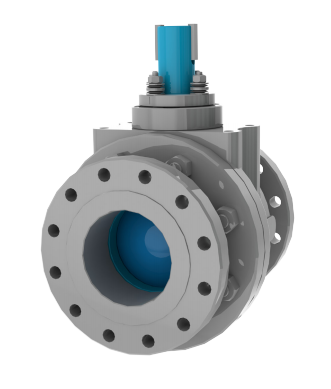
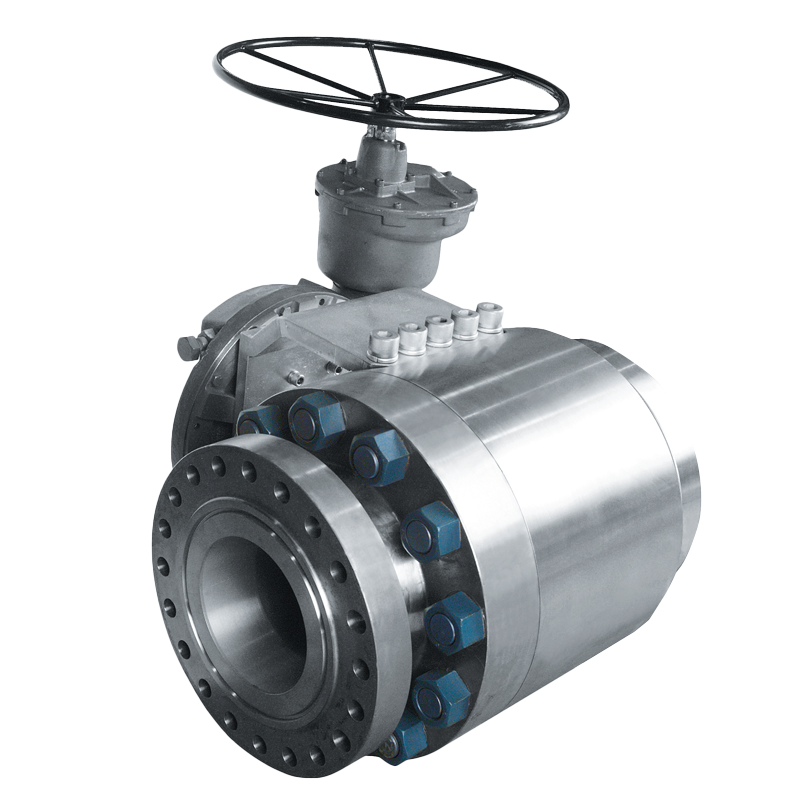
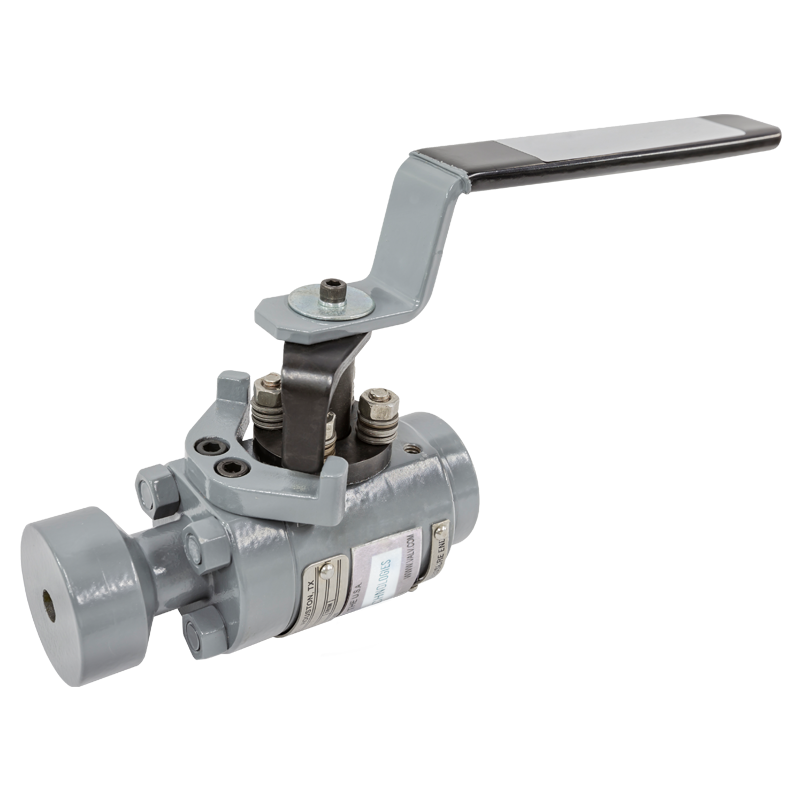
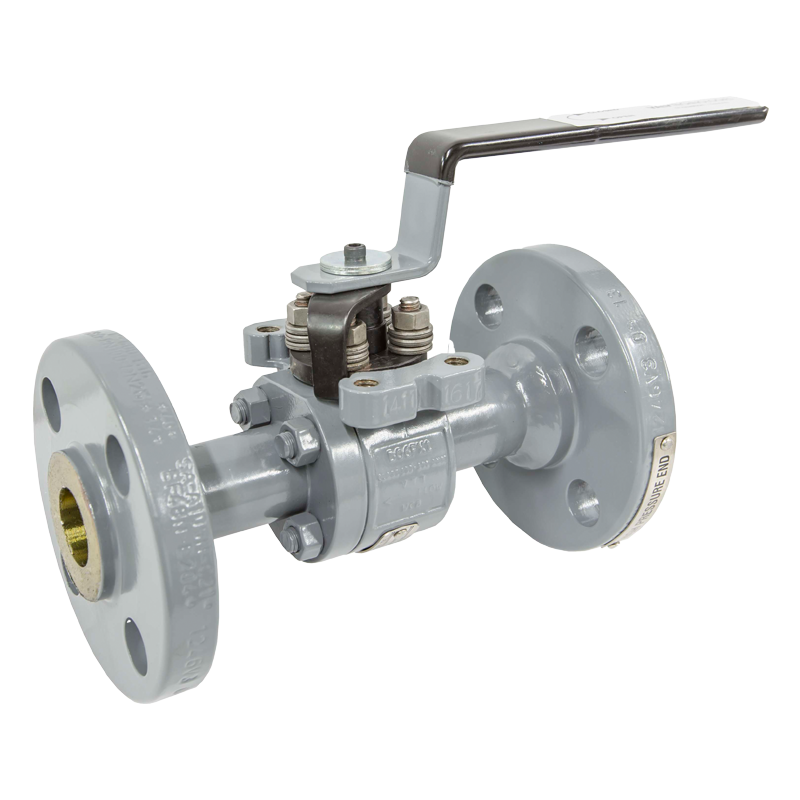
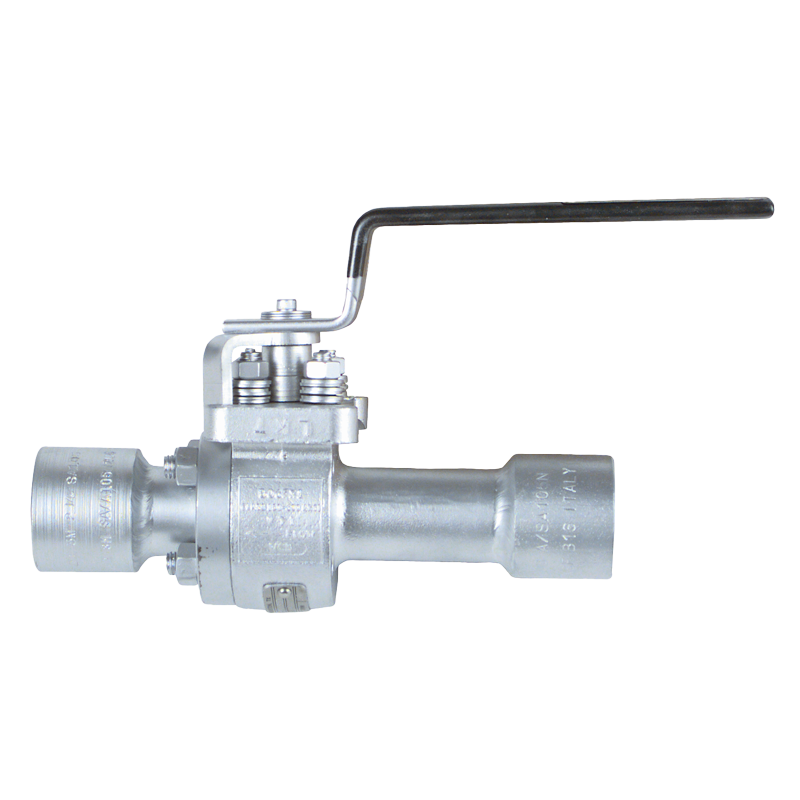
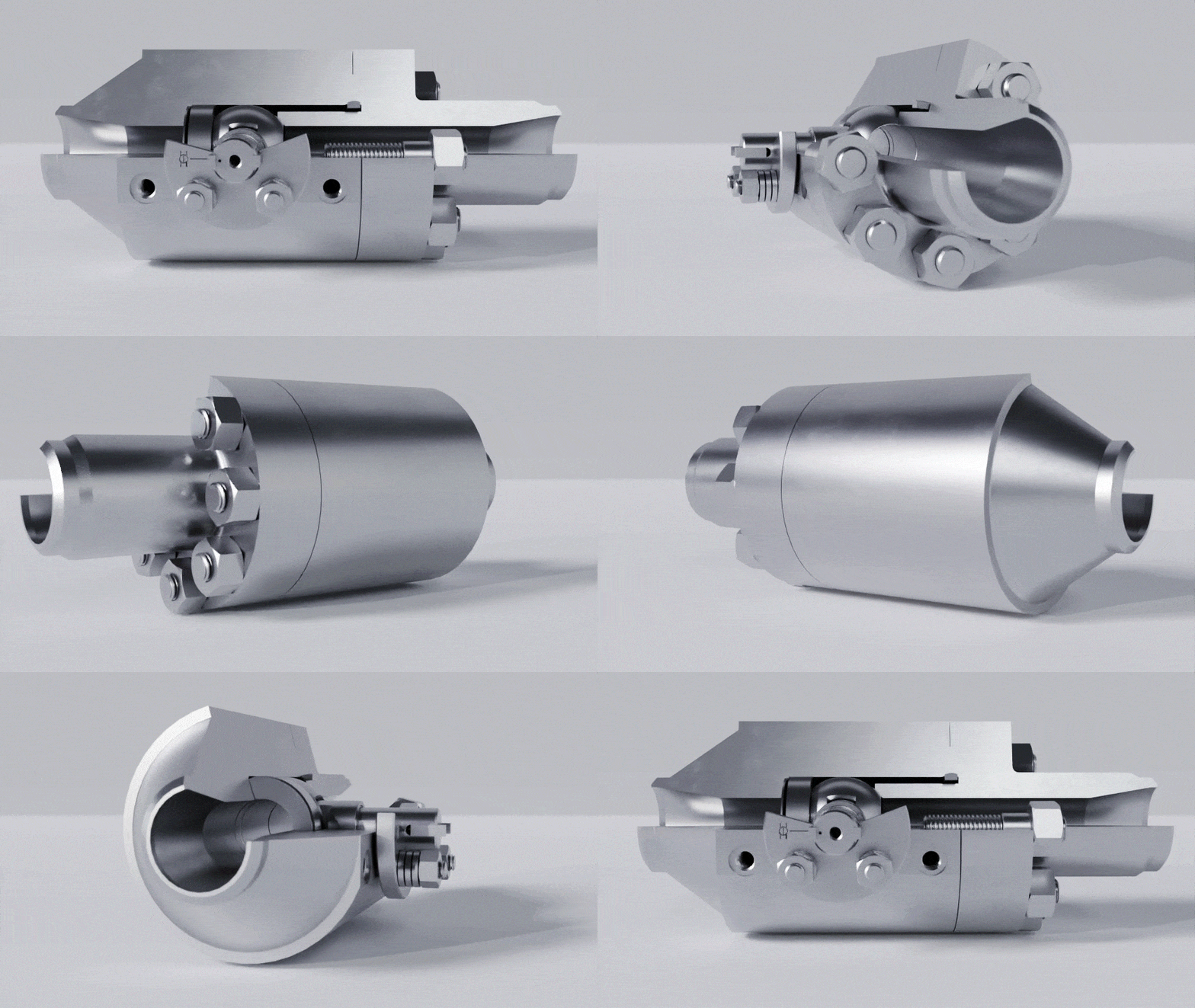
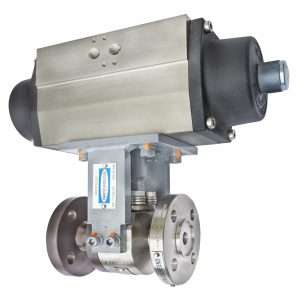
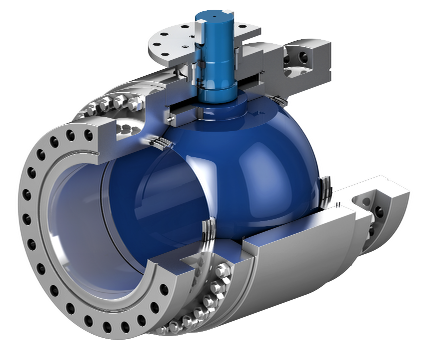
Nextech® R

Click Image to Enlarge
Technical Data
Sizes
2 – 8"
Pressure Classes

ASME / ANSI Class 600

Materials of Construction

Carbon steel (A352 LCB) – standard
Stainless steel (A351 CF8M) – standard

In Compliance

ASME B16.34
API 6D
API 607
NACE MR-01-75/ISO 15156
NACE MR-0103
PED
SIL-3

End Connections

ANSI raised-face flange – standard
Other end connections available upon request

Shutoff

Inconel 625 & Incoloy overlay on seat pockets and stem area
Complete body overlay
Bleed ports
Sealant injection ports
Body cavity drain and vent ports
Double-piston effect seats
Actuator mounting

Nextech® R

The Next Generation in Trunnion Technology

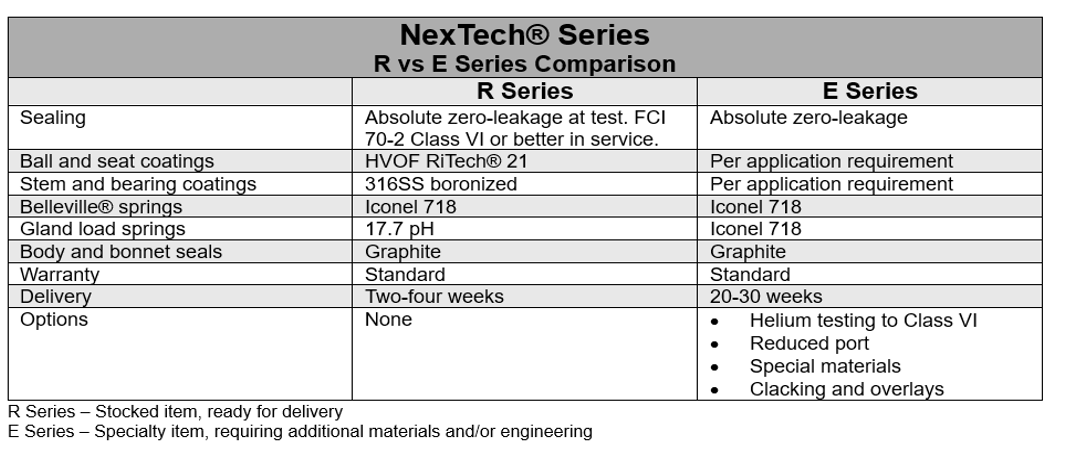
The cost-efficient, side-entry NexTech® R is in stock and ready for tough duty, leak prevention and increased productivity.  It has been engineered to resist abrasion and corrosion using diamond mate-lapped tungsten/chromium carbide coatings via our proven HVOF RiTech® process on sealing surfaces. You get bubble-tight shut-off, low operating torques – even with low differential pressures – and long periods of effective operation. That capability is reinforced using seal surfaces with the highest possible integrity. 

Technical Data
Sizes
2 – 8"
Pressure Classes

ASME / ANSI Class 600

Materials of Construction

Carbon steel (A352 LCB) – standard
Stainless steel (A351 CF8M) – standard

In Compliance

ASME B16.34
API 6D
API 607
NACE MR-01-75/ISO 15156
NACE MR-0103
PED
SIL-3

End Connections

ANSI raised-face flange – standard
Other end connections available upon request

Shutoff

Inconel 625 & Incoloy overlay on seat pockets and stem area
Complete body overlay
Bleed ports
Sealant injection ports
Body cavity drain and vent ports
Double-piston effect seats
Actuator mounting

Design Features

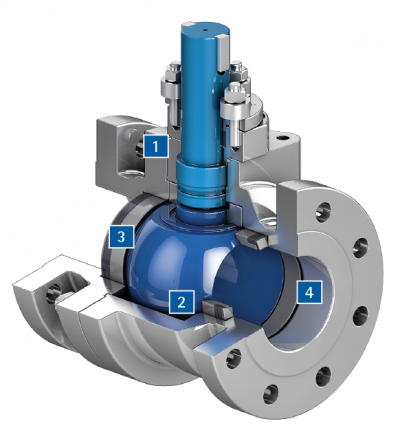
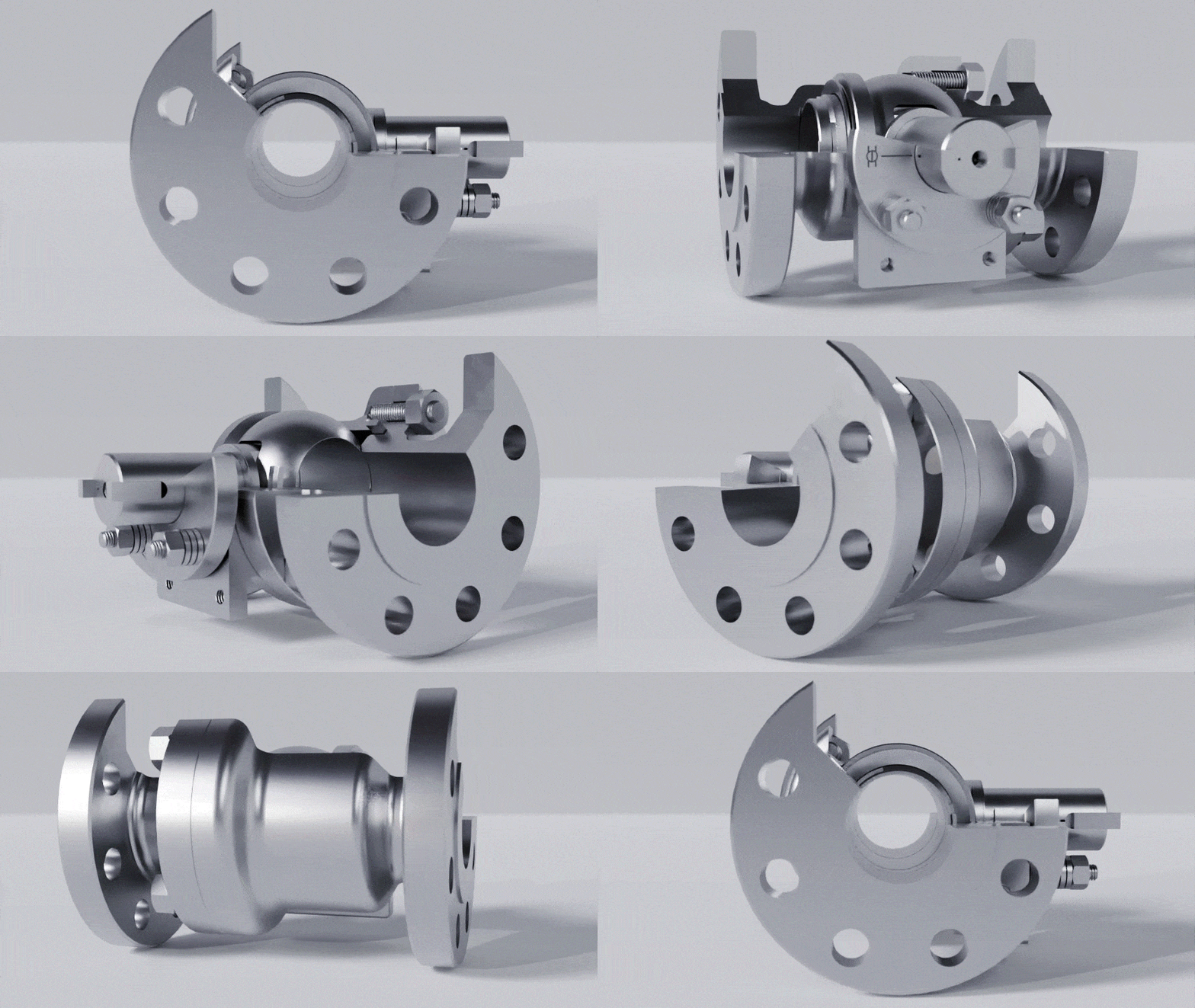
ValvTechnologies’ low pressure, trunnion-style, metal-seated ball valve incorporates many of the features of the traditional integral seat design into a lower-torque, bi-directional valve. The Nextech® R features a readily adjustable stem sealing design with a four-stud, live-loaded, industrial-grade packing gland assembly and offers diamond mate-lapped tungsten or HVOF RiTech™ coating on sealing surfaces. The Nextech® R is available in a variety of end connections to meet customer’s specifications.

    1. Live Loaded Gland Area. Nextech® R’s gland packing design features a four stud, live-loaded assembly designed for heavy industrial applications. The packing material is high purity Grafoil® surrounded by Carbon Fiber / Inconel anti-extrusion rings. The six Bellville springs (per stud) provide constant load pressure through extreme thermal shocks and prevent wear leaks in high cycle service.
    2. Carbide Sealing Surfaces. The sealing surfaces are overlaid with tungsten or chromium carbide using our exclusive HVOF RiTech™ process. These surfaces have a hardness of 68 – 72 Rc to allow long periods of operation in the most severe conditions.
    3. High Integrity Seat Surfaces. To prevent leaks around the seats, ValvTechnologies has developed an innovative double seal design for high temperature operation and/or high cycling applications. In low temperature, high cycling service, a secondary elastomer seal is installed on the seat perimeter
    4. Solids Resistance. In addition to the carbide coatings which will allow the valve to function in highly abrasive applications, the individual valve parts have additional seals to prevent interference from solids in the system. This provides for outstanding performance in catalyst systems, streams with solids contamination and polymers.

  • Heavy-duty service assured with four-stud, live-loaded packing assembly
  • Two-piece side-entry body offers proven weight and space savings
  • Optimized 2 to 24″ sizing offers flexibility in operating regimes, locations
  • Outstanding performance in catalyst systems, polymers and stream with solids contamination

Looking for more help with
Nextech® R?

Ask the experts in valves,
ValvTechnologies is ready to help.

Design Features

ValvTechnologies’ low pressure, trunnion-style, metal-seated ball valve incorporates many of the features of the traditional integral seat design into a lower-torque, bi-directional valve. The Nextech® R features a readily adjustable stem sealing design with a four-stud, live-loaded, industrial-grade packing gland assembly and offers diamond mate-lapped tungsten or HVOF RiTech™ coating on sealing surfaces. The Nextech® R is available in a variety of end connections to meet customer’s specifications.

    1. Live Loaded Gland Area. Nextech® R’s gland packing design features a four stud, live-loaded assembly designed for heavy industrial applications. The packing material is high purity Grafoil® surrounded by Carbon Fiber / Inconel anti-extrusion rings. The six Bellville springs (per stud) provide constant load pressure through extreme thermal shocks and prevent wear leaks in high cycle service.
    2. Carbide Sealing Surfaces. The sealing surfaces are overlaid with tungsten or chromium carbide using our exclusive HVOF RiTech™ process. These surfaces have a hardness of 68 – 72 Rc to allow long periods of operation in the most severe conditions.
    3. High Integrity Seat Surfaces. To prevent leaks around the seats, ValvTechnologies has developed an innovative double seal design for high temperature operation and/or high cycling applications. In low temperature, high cycling service, a secondary elastomer seal is installed on the seat perimeter
    4. Solids Resistance. In addition to the carbide coatings which will allow the valve to function in highly abrasive applications, the individual valve parts have additional seals to prevent interference from solids in the system. This provides for outstanding performance in catalyst systems, streams with solids contamination and polymers.

  • Heavy-duty service assured with four-stud, live-loaded packing assembly
  • Two-piece side-entry body offers proven weight and space savings
  • Optimized 2 to 24″ sizing offers flexibility in operating regimes, locations
  • Outstanding performance in catalyst systems, polymers and stream with solids contamination

product

V Series Metal Seated Valves

V Series metal seated ball valve close‑up

V Series Metal Seated Ball Valves

Longer Service Life. Absolute Zero-leakage.

Valv - VSeries

The V-Series’ integral seat design provides improved performance and reliability far beyond the capabilities of typical ball valves.  V-Series valves are engineered to be leak-free, position-seated, maximizing flow and reducing the overall cost of ownership. ValvTechnologies’ design and construction delivers the extra safety margin crucial to maintaining efficiency and productivity.

FAQs – V Series

What are metal-seated ball valves, and how do they differ from soft-seated ball valves?

Metal seated ball valves are more durable and robust, designed for handling high temperatures, abrasion, and erosion where soft seats are not a compatible option

Our V-Series valves can handle temperatures up to 1,500°F(815 °C) and are designed in ASME / ANSI pressure Class 150 – 4500

Our V-Series valves us integral seats which are made with the same materials as the body and are therefore any allowed ASME B 16.34 materials. We employ our proprietary HVOF RiTech® technology.  Common coatings are Chromium Carbide and Tungsten Carbide.

Consult with ValvTechnologies sales@valv.com

V Series metal seated ball valve close‑up

Looking for more help with
V Series Metal Seated Valves?

Ask the experts in valves,
ValvTechnologies is ready to help.

product

V1-1: 1/4-4″, 900-4500#

Click Image to Enlarge
Technical Data
Sizes
1/4-4"
Pressure Classes

ASME / ANSI Class 900-4500

Materials of Construction

Carbon steel (A105) – standard
Alloy steel (F22, F91) – standard
Stainless steel (316H) – standard
Other materials available upon request

In Compliance

ASME B16.34
PED
Nuclear ASME III Class 1, 2 and 3
Nuclear Safety Related – 10CFR50 Appendix B
SIL

End Connections

Socketweld, buttweld, NPT – standard
Others available upon request

Shutoff

Absolute zero-leakage shutoff

V1-1: 1/4-4″, 900-4500#

Longer Service Life. Absolute Zero-leakage

Primarily used in severe service applications, V1-1 valves are manufactured to each customer’s unique specifications.

The flagship of the ValvTechnologies’ product line, the V1-1, is the valve by which all other severe service metal-seated ball valves are measured. The V1-1 design includes integral seats, RiTech® hard coatings, blowout-proof stem and live-loaded packing.

The V Series’ proven seat supported design provides improved performance, far beyond the capability of linear operated valves which feature obstructed and torturous flow paths. ValvTechnologies’ design and construction delivers the extra safety margin so crucial to maintaining productivity: customers benefit by realizing increased security, less downtime and lower maintenance.

V1-1’s are engineered to be leak-free, maximize flow and reduce the overall cost of ownership. So confident of their performance, only ValvTechnologies’ V1-1 valves are backed by the best four year, zero-leakage warranty in the industry.

Technical Data
Sizes
1/4-4"
Pressure Classes

ASME / ANSI Class 900-4500

Materials of Construction

Carbon steel (A105) – standard
Alloy steel (F22, F91) – standard
Stainless steel (316H) – standard
Other materials available upon request

In Compliance

ASME B16.34
PED
Nuclear ASME III Class 1, 2 and 3
Nuclear Safety Related – 10CFR50 Appendix B
SIL

End Connections

Socketweld, buttweld, NPT – standard
Others available upon request

Shutoff

Absolute zero-leakage shutoff

  1. Integral metal seat. With our proprietary HVOF RiTech® coating technology, the integral seat in ValvTechnologies’ valves is resistant to the attack of abrasive magnetite and ferrous oxides that may be seen in the steam flow.
  2. Body seal ring. ValvTechnologies employs a field proven seal ring technology to ensure sealing under all operating conditions, up to 1400°F. The body seal ring is loaded at a pressure higher than 20,000 psi. In addition, valves sized three inch and above contain a secondary Grafoil seal to further guarantee reliability
  3. Patented coating process. The sealing surfaces are overlaid with tungsten or chromium carbide using our exclusive HVOF RiTech® process. These surfaces have a hardness of 68 – 72 Rc to allow long periods of operation in the most severe conditions.
  4. Live-loaded gland area. The V Series’ sealing design features a four stud, live-loaded assembly designed for heavy industrial applications. The sealing material is high purity Grafoil® surrounded by stainless steel wire mesh anti-extrusion rings. The six Belleville® springs (per stud) provide constant load pressure through extreme thermal shocks and prevent wear leaks in high-cycle service.
  5. Blow-out proof stem design utilizes a one piece, hard-faced, blow-out proof stem that is inserted through the inside of the body cavity eliminating the possibility of blow-out through the gland area.
  6. Backpressure protected sealing. Standard with the V1-1 valves, the design prevents the upstream spring from collapsing in a reverse flow condition, protecting the internals from damage and guaranteeing shutoff in the reverse direction.
  7. Zero-leakage shutoff. ValvTechnologies tests every valve according to ANSI procedures, however, we toughen the standard and define zero-leakage as no detectable leakage of gas or a liquid for a period of three minutes or greater. The ValvTechnologies’ standard is zero drops and zero bubbles, guaranteed.

  • Through conduit design: No tortuous flow path. When open it has the highest possible Cv’s. Minimized wear & tear. Benefit: Eliminated vibration, reduced maintenance
  • Fixed position – quarter turn: No seating torques required. Benefit: Minimized stem wear, lower cost of ownership
  • Hardened blowout proof stem: One piece, inserted through the body & shouldered. Eliminates the weak link of collared & pinned designs. Benefit: Improved safety
  • Metallic body seal ring: Increases body integrity by eliminating external leakage. Benefit: Improved reliability, zero-leakage shutoff
  • Live-loaded packing gland: Minimum four bolt configuration with shallow stuffing box. Ensures consistent torque at variable pressures & temperatures. Benefit: Increased reliability
  • Hardcoated & mate lapped seats: High Velocity Oxygen Fuel (HVOF) RiTech® chrome carbide hardcoating with a Rockwell C of up to 72. Mate-lapped seats. Benefit: Wear & corrosion resistant, increased reliability, zero-leakage shutoff
  • Seat designs: Hardcoated, both ball & integral downstream seat to the end-cap to eliminate a potential leak path. Benefit: Increased reliability
  • Simplicity of design: Designed for ease of installation & maintenance. Benefit: Easily actuated, increased system reliability, increased efficiencies, ease of use, reduced maintenance
  • Stringent testing: Every valve is tested, documented & serialized. Benefit: Increased reliability, increased safety, total traceability
  • Four-year warranty*: The very best in the industry. Includes internal seat leakage & external leakage through the packing &/or body seal. Benefit: Lower cost of ownership, increased reliability

*steam and water applications

  • Insulating jackets: For further protection valves can be fitted with removable and reusable valve insulation blanket jackets
  • Mounting hardware: ValvTechnologies’ external stop mounting hardware minimizes or eliminates stem and sealing performance problems caused by a faulty re-installation of an operator on an automated valve
  • Other options:
    • Bi-directional shutoff
    • Special end connections available
    • Class V sealing in the reverse direction
    • Tandem arrangements
    • Complete automation packages available
    • Characterized trim
    • Oval hand wheel
    • Actuator mounting

Fossil Power Applications

  • Above and below seat drains
  • Ash handling
  • Attemporator spray control
  • Boiler drains
  • Boiler feed pump isolation
  • Continuous boiler blowdown
  • Electronic relief
  • Feedwater heater drains
  • Feedwater isolation
  • Instrument isolation
  • Main steam stop
  • Recirculation
  • Seal steam regulators
  • Sight/gauge glass drains
  • Soot blower regulators
  • Startup vents
  • Steam dump
  • Turbine bypass systems
  • Turbine drain

Nuclear Generation Applications

  • Boiler feedwater
  • Circulating water system
  • Component cooling
  • Condensate extraction
  • Condensate cooling water
  • Emergency feedwater
  • Fire protection system
  • HP safety injection
  • HP & LP heater drains
  • Heat exchanger vent & drains
  • Main steam system isolation, drain & vent
  • Power operated relief valve (PORV)
  • Pressurizer drain & vent
  • Rad waste system
  • Reactor coolant pump drain & vent
  • Reactor head vents
  • Reactor water cooling vents & drains
  • Safety injection system
  • Secondary system isolation, drain & vent
  • Service water system isolation
  • Steam generator system
  • Turbine by-pass
  • Turbine drain & vent
  • Fukushima tie ins
  • Reliable hardened vents

Upstream Oil and Gas

  • Wellhead choke isolation
  • HIPPS
  • Emergency shutdown
  • Compressor recycle and isolation
  • Sour gas isolation and control
  • Steam, water and gas injection
  • Steam chokes
  • SAG-D isolation
  • Pig launcher and receiver
  • Mud drilling isolation and check
  • Lean & rich amine isolation
  • Molecular sieve regeneration isolation
  • Molecular sieve absorber isolation
  • First and second stage separator isolation

Downstream and Chemical Processing

  • Coking (delayed & flexi)
    Switching
    Feed isolation
    Overhead vapor line
    Cutting water isolation
  • Fluidized catalytic cracking
    Catalyst handling
    Slurry isolation & control steam
  • Ethylene
    Steam decoke isolation
    Furnace isolation
    Steam vent
    Quench oil isolation & control
  • Polyethylene
    Isolation
    High cycle (PTO)
    Reactor block
  • Heavy oil upgrading & hydrocracking
    (H-oil & LC fining)
    Catalyst addition & withdrawal
    Filter & pump isolation
    Overhead vapor isolation & control
    High delta-P isolation & control
  • Reforming (CCR)
    Lockhopper
    Isolation

Mining and Minerals

  • High pressure slurry
    Transportation Systems
    Pump discharge isolation
    Pipeline isolation stations
    Pipeline choke stations
    Rupture disk isolation
    Instrument isolation
  • Autoclaves
    Vessel feed and discharge
    Acid injection
    Gas injection
    Steam injection
  • Mineral concentrators
    Thickener underflow
    Discharge isolation
    Filter press manifold isolation
    Slurry transfer systems
    PRV isolation
  • Waste disposal
    Tailings pipelines
    Paste backfill

Pulp and Paper

  • Boiler vent and drain
  • Liquor isolation and control
  • Rapid drain
  • Steam isolation
  • Sky vents
  • Dryer pressure control
  • Digester steam control
  • Lime mud isolation and  control

Specialty industries: Other industry solutions available. Contact the factory for more information.

Standard ValvTechnologies’ four-year zero leakage warranty in steam and water applications.

Looking for more help with
V1-1: 1/4-4″, 900-4500#?

Ask the experts in valves,
ValvTechnologies is ready to help.

  1. Integral metal seat. With our proprietary HVOF RiTech® coating technology, the integral seat in ValvTechnologies’ valves is resistant to the attack of abrasive magnetite and ferrous oxides that may be seen in the steam flow.
  2. Body seal ring. ValvTechnologies employs a field proven seal ring technology to ensure sealing under all operating conditions, up to 1400°F. The body seal ring is loaded at a pressure higher than 20,000 psi. In addition, valves sized three inch and above contain a secondary Grafoil seal to further guarantee reliability
  3. Patented coating process. The sealing surfaces are overlaid with tungsten or chromium carbide using our exclusive HVOF RiTech® process. These surfaces have a hardness of 68 – 72 Rc to allow long periods of operation in the most severe conditions.
  4. Live-loaded gland area. The V Series’ sealing design features a four stud, live-loaded assembly designed for heavy industrial applications. The sealing material is high purity Grafoil® surrounded by stainless steel wire mesh anti-extrusion rings. The six Belleville® springs (per stud) provide constant load pressure through extreme thermal shocks and prevent wear leaks in high-cycle service.
  5. Blow-out proof stem design utilizes a one piece, hard-faced, blow-out proof stem that is inserted through the inside of the body cavity eliminating the possibility of blow-out through the gland area.
  6. Backpressure protected sealing. Standard with the V1-1 valves, the design prevents the upstream spring from collapsing in a reverse flow condition, protecting the internals from damage and guaranteeing shutoff in the reverse direction.
  7. Zero-leakage shutoff. ValvTechnologies tests every valve according to ANSI procedures, however, we toughen the standard and define zero-leakage as no detectable leakage of gas or a liquid for a period of three minutes or greater. The ValvTechnologies’ standard is zero drops and zero bubbles, guaranteed.

  • Through conduit design: No tortuous flow path. When open it has the highest possible Cv’s. Minimized wear & tear. Benefit: Eliminated vibration, reduced maintenance
  • Fixed position – quarter turn: No seating torques required. Benefit: Minimized stem wear, lower cost of ownership
  • Hardened blowout proof stem: One piece, inserted through the body & shouldered. Eliminates the weak link of collared & pinned designs. Benefit: Improved safety
  • Metallic body seal ring: Increases body integrity by eliminating external leakage. Benefit: Improved reliability, zero-leakage shutoff
  • Live-loaded packing gland: Minimum four bolt configuration with shallow stuffing box. Ensures consistent torque at variable pressures & temperatures. Benefit: Increased reliability
  • Hardcoated & mate lapped seats: High Velocity Oxygen Fuel (HVOF) RiTech® chrome carbide hardcoating with a Rockwell C of up to 72. Mate-lapped seats. Benefit: Wear & corrosion resistant, increased reliability, zero-leakage shutoff
  • Seat designs: Hardcoated, both ball & integral downstream seat to the end-cap to eliminate a potential leak path. Benefit: Increased reliability
  • Simplicity of design: Designed for ease of installation & maintenance. Benefit: Easily actuated, increased system reliability, increased efficiencies, ease of use, reduced maintenance
  • Stringent testing: Every valve is tested, documented & serialized. Benefit: Increased reliability, increased safety, total traceability
  • Four-year warranty*: The very best in the industry. Includes internal seat leakage & external leakage through the packing &/or body seal. Benefit: Lower cost of ownership, increased reliability

*steam and water applications

  • Insulating jackets: For further protection valves can be fitted with removable and reusable valve insulation blanket jackets
  • Mounting hardware: ValvTechnologies’ external stop mounting hardware minimizes or eliminates stem and sealing performance problems caused by a faulty re-installation of an operator on an automated valve
  • Other options:
    • Bi-directional shutoff
    • Special end connections available
    • Class V sealing in the reverse direction
    • Tandem arrangements
    • Complete automation packages available
    • Characterized trim
    • Oval hand wheel
    • Actuator mounting

Fossil Power Applications

  • Above and below seat drains
  • Ash handling
  • Attemporator spray control
  • Boiler drains
  • Boiler feed pump isolation
  • Continuous boiler blowdown
  • Electronic relief
  • Feedwater heater drains
  • Feedwater isolation
  • Instrument isolation
  • Main steam stop
  • Recirculation
  • Seal steam regulators
  • Sight/gauge glass drains
  • Soot blower regulators
  • Startup vents
  • Steam dump
  • Turbine bypass systems
  • Turbine drain

Nuclear Generation Applications

  • Boiler feedwater
  • Circulating water system
  • Component cooling
  • Condensate extraction
  • Condensate cooling water
  • Emergency feedwater
  • Fire protection system
  • HP safety injection
  • HP & LP heater drains
  • Heat exchanger vent & drains
  • Main steam system isolation, drain & vent
  • Power operated relief valve (PORV)
  • Pressurizer drain & vent
  • Rad waste system
  • Reactor coolant pump drain & vent
  • Reactor head vents
  • Reactor water cooling vents & drains
  • Safety injection system
  • Secondary system isolation, drain & vent
  • Service water system isolation
  • Steam generator system
  • Turbine by-pass
  • Turbine drain & vent
  • Fukushima tie ins
  • Reliable hardened vents

Upstream Oil and Gas

  • Wellhead choke isolation
  • HIPPS
  • Emergency shutdown
  • Compressor recycle and isolation
  • Sour gas isolation and control
  • Steam, water and gas injection
  • Steam chokes
  • SAG-D isolation
  • Pig launcher and receiver
  • Mud drilling isolation and check
  • Lean & rich amine isolation
  • Molecular sieve regeneration isolation
  • Molecular sieve absorber isolation
  • First and second stage separator isolation

Downstream and Chemical Processing

  • Coking (delayed & flexi)
    Switching
    Feed isolation
    Overhead vapor line
    Cutting water isolation
  • Fluidized catalytic cracking
    Catalyst handling
    Slurry isolation & control steam
  • Ethylene
    Steam decoke isolation
    Furnace isolation
    Steam vent
    Quench oil isolation & control
  • Polyethylene
    Isolation
    High cycle (PTO)
    Reactor block
  • Heavy oil upgrading & hydrocracking
    (H-oil & LC fining)
    Catalyst addition & withdrawal
    Filter & pump isolation
    Overhead vapor isolation & control
    High delta-P isolation & control
  • Reforming (CCR)
    Lockhopper
    Isolation

Mining and Minerals

  • High pressure slurry
    Transportation Systems
    Pump discharge isolation
    Pipeline isolation stations
    Pipeline choke stations
    Rupture disk isolation
    Instrument isolation
  • Autoclaves
    Vessel feed and discharge
    Acid injection
    Gas injection
    Steam injection
  • Mineral concentrators
    Thickener underflow
    Discharge isolation
    Filter press manifold isolation
    Slurry transfer systems
    PRV isolation
  • Waste disposal
    Tailings pipelines
    Paste backfill

Pulp and Paper

  • Boiler vent and drain
  • Liquor isolation and control
  • Rapid drain
  • Steam isolation
  • Sky vents
  • Dryer pressure control
  • Digester steam control
  • Lime mud isolation and  control

Specialty industries: Other industry solutions available. Contact the factory for more information.

Standard ValvTechnologies’ four-year zero leakage warranty in steam and water applications.

product

AbrasoBlock® Valves

POx autoclave‑rated ball valve close‑up
Click Image to Enlarge
Technical Data
Sizes
3-20"
Pressure Classes

150 – 900# Class

Materials of Construction

Titanium Gr. 12
Duplex
Exotic alloys
Rhinoite® weld applied hardfacing

End Connections

ASME B16.34
PED
API6D

AbrasoBlock® Valves

Valv - ABRASOBlock

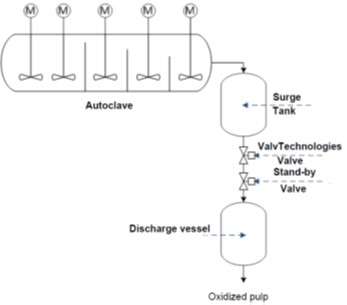
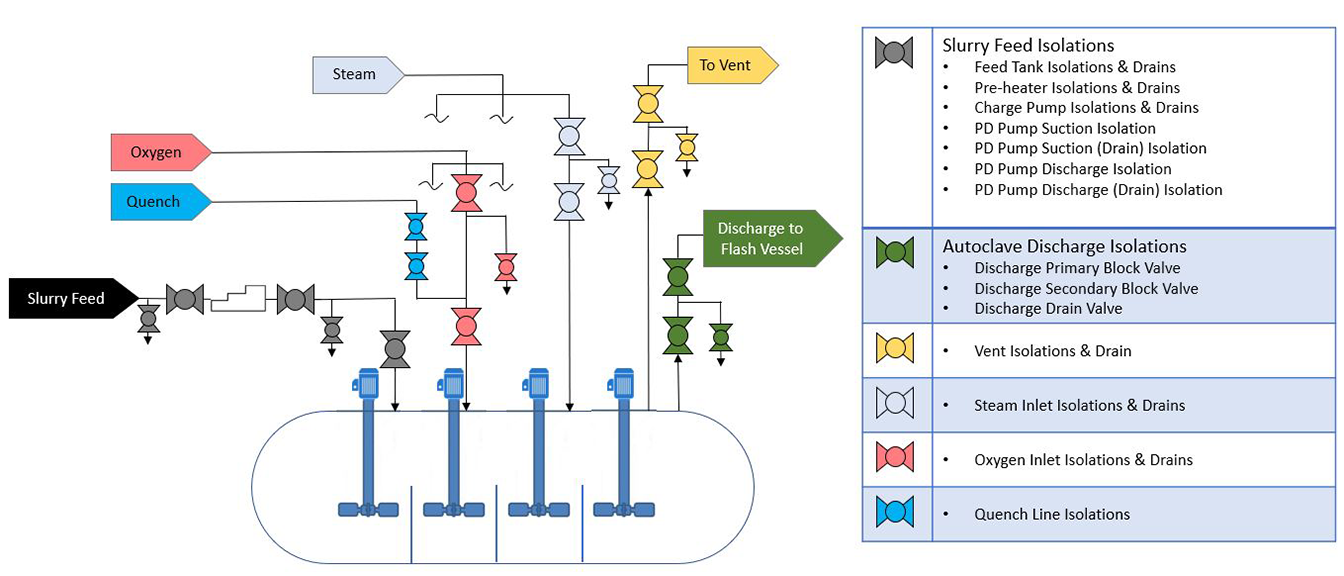
The AbrasoBlock® has been developed specifically to improve the performance and reliability of Autoclave Discharge Block valves, thereby increasing operational uptime and capacity. This is one of the most severe service applications and is critical to the economic performance of any HPAL (High Pressure Acid Leach) or POx (Pressure Oxidization) facility. Our goal is to extend the installed lifetime of these valves.

POx autoclave‑rated ball valve close‑up
Technical Data
Sizes
3-20"
Pressure Classes

150 – 900# Class

Materials of Construction

Titanium Gr. 12
Duplex
Exotic alloys
Rhinoite® weld applied hardfacing

End Connections

ASME B16.34
PED
API6D

  • Seat supported ball valve with an integral downstream seat – extended wear life
  • Traditional failure modes (slurry wear from passing and coating failure) eliminated
  • Rhinoite® weld-applied carbide hard facing leads the industry for wear resistance – extended wear life
  • Integral seat eliminates the traditional gap between the seat ring and the body pocket, which is a leak path
  • Integral seat cannot move and will keep a continuous wiping action to maintain the sealing surfaces clean at all differential pressures
  • The Rhinoite® process includes sealant which aids lapping/sealing and minimizes torque requirement

  • Improved performance and reliability 
  • Increased operational uptime, production runs and end-user revenue
  • Seat supported ball valve with an integral downstream seat – extended wear life
  • Rhinoite weld-applied carbide hard facing leads the industry for wear resistance – extended wear life
  • No gap between seat ring and body pocket – leakage path eliminated 
  • traditional failure modes (slurry wear from passing and coating failure) eliminated
  • Integral seat cannot move and will keep a continuous wiping action – sealing surfaces clean at all differential pressures
  • Rhinoite sealant – minimizes torque requirement of hard facing overlay

Case Study: Outperforming the competition

Location: Russia
Product: Autoclave discharge block valve
Industry: Mining and minerals
Product: 1 Qty, 1/2” ANSI Class 300 AbrasoBlock® valve

Challenge: To achieve 500 cycles and 50 hours operation without failure of the valve, during an accelerated product trial

Solution: The valve test will take place during the test/elaboration of the autoclave POx- technology of the gold bearing sulphide concentrate into the pilot autoclave line. The purpose of the pilot plant is to test different coating technologies to find a solution for the inherent problems in other valve designs and coating technology during this difficult process.

The AbrasoBlock® integral seat design valve was installed in the pilot plant and trial commenced.

Result: The trial was completed with excellent results. The valve successfully achieved 75.5 hours and 970 strokes of operation. This by far outperforms all other manufacturers’ autoclave block valves trials. The end-user will proceed into commercial supply agreement for valves to be installed in their industrial autoclaves.


Automation packages
Actuator mounting
Bi-directional sealing
Process-specific options
Engineered-to-order: Consult the factory for more information and additional options

High Pressure Acid Leach – HPAL – Target Valve Applications


Pressure Oxidization– POx – Target Valve Applications

HPAL
Acid feed isolation
Acid line drain
Discharge isolation
Discharge line drain
Flash vessel drain
Heater feed isolation
Heater pressure control
HP air isolation
HP heater isolation
HP heater vessel drain
Rapid depressurization
Slurry feed pump discharge drain
Slurry feed pump isolation
Slurry feed pump suction drain
Slurry pump suction isolation
Steam isolation
Steam supply control
Steam supply drain
Vent isolation
Vent isolation drain

POx
Discharge isolation
Discharge line drain
Feed dilution drain
Feed tank flush system
Feed tank pump drain
Flash vessel drain
Oxygen isolation
Pre-heater drain
Quench isolation
Rapid depressurization
Slurry feed pump drain
Slurry feed pump isolation
Slurry feed pump suction drain
Sparge drain vent
Steam isolation
Steam supply control
Steam supply drain
Vent isolation
Vent isolation drain

POx autoclave‑rated ball valve close‑up

Looking for more help with
AbrasoBlock® Valves?

Ask the experts in valves,
ValvTechnologies is ready to help.

  • Seat supported ball valve with an integral downstream seat – extended wear life
  • Traditional failure modes (slurry wear from passing and coating failure) eliminated
  • Rhinoite® weld-applied carbide hard facing leads the industry for wear resistance – extended wear life
  • Integral seat eliminates the traditional gap between the seat ring and the body pocket, which is a leak path
  • Integral seat cannot move and will keep a continuous wiping action to maintain the sealing surfaces clean at all differential pressures
  • The Rhinoite® process includes sealant which aids lapping/sealing and minimizes torque requirement

  • Improved performance and reliability 
  • Increased operational uptime, production runs and end-user revenue
  • Seat supported ball valve with an integral downstream seat – extended wear life
  • Rhinoite weld-applied carbide hard facing leads the industry for wear resistance – extended wear life
  • No gap between seat ring and body pocket – leakage path eliminated 
  • traditional failure modes (slurry wear from passing and coating failure) eliminated
  • Integral seat cannot move and will keep a continuous wiping action – sealing surfaces clean at all differential pressures
  • Rhinoite sealant – minimizes torque requirement of hard facing overlay

Case Study: Outperforming the competition

Location: Russia
Product: Autoclave discharge block valve
Industry: Mining and minerals
Product: 1 Qty, 1/2” ANSI Class 300 AbrasoBlock® valve

Challenge: To achieve 500 cycles and 50 hours operation without failure of the valve, during an accelerated product trial

Solution: The valve test will take place during the test/elaboration of the autoclave POx- technology of the gold bearing sulphide concentrate into the pilot autoclave line. The purpose of the pilot plant is to test different coating technologies to find a solution for the inherent problems in other valve designs and coating technology during this difficult process.

The AbrasoBlock® integral seat design valve was installed in the pilot plant and trial commenced.

Result: The trial was completed with excellent results. The valve successfully achieved 75.5 hours and 970 strokes of operation. This by far outperforms all other manufacturers’ autoclave block valves trials. The end-user will proceed into commercial supply agreement for valves to be installed in their industrial autoclaves.


Automation packages
Actuator mounting
Bi-directional sealing
Process-specific options
Engineered-to-order: Consult the factory for more information and additional options

High Pressure Acid Leach – HPAL – Target Valve Applications


Pressure Oxidization– POx – Target Valve Applications

HPAL
Acid feed isolation
Acid line drain
Discharge isolation
Discharge line drain
Flash vessel drain
Heater feed isolation
Heater pressure control
HP air isolation
HP heater isolation
HP heater vessel drain
Rapid depressurization
Slurry feed pump discharge drain
Slurry feed pump isolation
Slurry feed pump suction drain
Slurry pump suction isolation
Steam isolation
Steam supply control
Steam supply drain
Vent isolation
Vent isolation drain

POx
Discharge isolation
Discharge line drain
Feed dilution drain
Feed tank flush system
Feed tank pump drain
Flash vessel drain
Oxygen isolation
Pre-heater drain
Quench isolation
Rapid depressurization
Slurry feed pump drain
Slurry feed pump isolation
Slurry feed pump suction drain
Sparge drain vent
Steam isolation
Steam supply control
Steam supply drain
Vent isolation
Vent isolation drain

product

NexTech® E Series

Click Image to Enlarge
Technical Data
Sizes
2 - 42”
Pressure Classes

ASME/ANSI pressure classes up to 2500

Materials of Construction

Carbon steel
Stainless steel
High strength carbon steel
Duplex steel
Super duplex steel
Exotic alloys
Other materials available upon request

In Compliance

ASME B16.34
ASME Sec. 3 for nuclear applications
API 6A
API 607
NACE MR-01-75/ISO 15156
NACE MR-01-03
ISO 15848-1, Fugitive Emissions
PED
SIL-3

End Connections

Any end connections available upon request

Shutoff

Absolute zero-leakage

NexTech® E Series

The Next Generation in Trunnion Technology

Order up a safer, higher-performing side-entry valve that is both tough and multi-functional. The NexTech® E Series (enhanced series) represents a true engineered-to-spec, specialty valve with materials selected to meet the needs of the most demanding applications. These valves are designed and configured to handle corrosive, high-temperature and high-solid applications requiring  zero-leakage shutoff.

ValvTechnologies’ NexTech® valves offer safety and reliability in a wide variety of pressure-critical applications.

Technical Data
Sizes
2 - 42”
Pressure Classes

ASME/ANSI pressure classes up to 2500

Materials of Construction

Carbon steel
Stainless steel
High strength carbon steel
Duplex steel
Super duplex steel
Exotic alloys
Other materials available upon request

In Compliance

ASME B16.34
ASME Sec. 3 for nuclear applications
API 6A
API 607
NACE MR-01-75/ISO 15156
NACE MR-01-03
ISO 15848-1, Fugitive Emissions
PED
SIL-3

End Connections

Any end connections available upon request

Shutoff

Absolute zero-leakage

nextech-cutaway

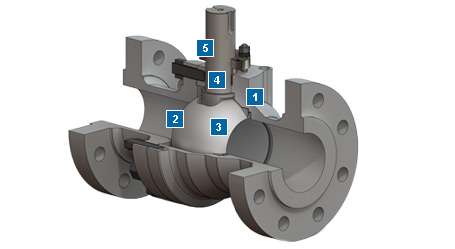
  1. Live-loaded gland area. The NexTech®  design features a four stud, live-loaded assembly designed for heavy industrial applications. The sealing material is high purity Grafoil® surrounded by stainless steel wire mesh anti-extrusion rings.
  2. Carbide sealing surfaces. The sealing surfaces are overlaid with tungsten or chromium carbide using our exclusive HVOF RiTech® process. These surfaces have a hardness of 68 – 72 Rc to allow long periods of operation in the most severe conditions.
  3. High integrity seat surfaces. To prevent leaks around the seats, ValvTechnologies has developed an innovative double seal design for high temperature operation and/or high cycling applications. In low temperature, high cycling service, a secondary elastomer seal is installed on the seat perimeter
  4. Solids resistance. In addition to the carbide coatings which will allow the valve to function in highly abrasive applications, the individual valve parts have additional seals to prevent interference from solids in the system. This provides for outstanding performance in catalyst systems, streams with solids contamination and polymers.

  • Guaranteed tight shut-off. Benefit: Enhanced process safety and repeatable sealing allows operation under process excursions
  • True metal-to-metal sealing without using secondary elastomeric seals. Benefit: Inherent fire safety
  • Solid-proofed by design. Benefit: Process reliability
  • HVOF RiTech® coating technology. Benefit: Extended life
  • Grafoil® seals. Benefit: Reduced maintenance costs
  • Double block-and-bleed capability. Benefit: Enhanced process safety
  • High-cycling capability. Benefit: Process reliability
  • Bi-directional sealing by design. Benefit: Enhanced process safety, lower maintenance, less downtime
  • Single-piece anti blow-out stem design. Benefit: Enhanced process safety
  • Impervious to high thermal cycling. Benefit: Enhanced process safety
  • Certified to use in SIL 3 loop. Benefit: Enhanced process safety
  • Live-load stem packing (four-bolt design). Benefit: Lower emissions
  • Stem fugitive emissions per ISO 15848-1 Class B. Benefit: Lower emissions, enhanced process safety
  • Fire safe certification: API-607. Benefit: Enhanced process safety

Case Study: Teamwork Builds Success

Location: Southeast United States
Plant type: Combined Cycle Power Plant
Industry: Power
Application: HP Steam

Background: During a scheduled weekend outage, a large combine cycle power plant discovered a valve that would not move. Upon further inspection, the customer found a damaged coupler on the valve’s mounting bracket. Assuming this damaged coupler was causing the valve to lock up, the customer decided against purchasing a new valve and instead simply replaced the damaged mounting bracket. Preparing to go back online, the customer found the valve would still not function.

Requirement: Immediate shipment of a V Series metal seated ball valve for main steam draining was required to avoid extended outage time.

Result: Receiving the emergency request on Saturday, ValvTechnologies quickly assembled a cross-functional team to provide the power plant with an immediate solution. Representatives from the Shipping, Warehouse and Service departments were called to the Houston office to solve the customer’s issue. The ValvTechnologies’ team was able to identify, assemble, test and ship a replacement zero-leakage valve by the end of day Saturday, the very same day the emergency request was received.

The customer received the valve Monday morning and immediately installed it. The new valve functioned perfectly and the customer was able to go back online, saving thousands of dollars in potential down time and revenue loss.

  • Refining: Continuous catalyst regeneration (CCR) reforming (UOP and Axens), pressure swing adsorption (PSA) skids, cumene production, low-pressure catalyst handling in hydrotreaters and hydrocrackers, gas drier (molecular sieve) applications, hydrogen or oxygen service
  • Chemical: Unipol polyethylene (when metal seated), dow polypropylene, PSA skids, silicon processing, high-cycle lock-hopper valves
  • Gasification: Lock-hoppers, black water, syngas isolation
  • Power: Bi-directional, low-pressure applications such as soot-blowers and chemical handling
  • Specialty: Corrosive applications where seat material should be different than body material, high-cycle applications, bi-directional, double block-and-bleed

Two year warranty on parts and workmanship

Looking for more help with
NexTech® E Series?

Ask the experts in valves,
ValvTechnologies is ready to help.

nextech-cutaway

  1. Live-loaded gland area. The NexTech®  design features a four stud, live-loaded assembly designed for heavy industrial applications. The sealing material is high purity Grafoil® surrounded by stainless steel wire mesh anti-extrusion rings.
  2. Carbide sealing surfaces. The sealing surfaces are overlaid with tungsten or chromium carbide using our exclusive HVOF RiTech® process. These surfaces have a hardness of 68 – 72 Rc to allow long periods of operation in the most severe conditions.
  3. High integrity seat surfaces. To prevent leaks around the seats, ValvTechnologies has developed an innovative double seal design for high temperature operation and/or high cycling applications. In low temperature, high cycling service, a secondary elastomer seal is installed on the seat perimeter
  4. Solids resistance. In addition to the carbide coatings which will allow the valve to function in highly abrasive applications, the individual valve parts have additional seals to prevent interference from solids in the system. This provides for outstanding performance in catalyst systems, streams with solids contamination and polymers.

  • Guaranteed tight shut-off. Benefit: Enhanced process safety and repeatable sealing allows operation under process excursions
  • True metal-to-metal sealing without using secondary elastomeric seals. Benefit: Inherent fire safety
  • Solid-proofed by design. Benefit: Process reliability
  • HVOF RiTech® coating technology. Benefit: Extended life
  • Grafoil® seals. Benefit: Reduced maintenance costs
  • Double block-and-bleed capability. Benefit: Enhanced process safety
  • High-cycling capability. Benefit: Process reliability
  • Bi-directional sealing by design. Benefit: Enhanced process safety, lower maintenance, less downtime
  • Single-piece anti blow-out stem design. Benefit: Enhanced process safety
  • Impervious to high thermal cycling. Benefit: Enhanced process safety
  • Certified to use in SIL 3 loop. Benefit: Enhanced process safety
  • Live-load stem packing (four-bolt design). Benefit: Lower emissions
  • Stem fugitive emissions per ISO 15848-1 Class B. Benefit: Lower emissions, enhanced process safety
  • Fire safe certification: API-607. Benefit: Enhanced process safety

Case Study: Teamwork Builds Success

Location: Southeast United States
Plant type: Combined Cycle Power Plant
Industry: Power
Application: HP Steam

Background: During a scheduled weekend outage, a large combine cycle power plant discovered a valve that would not move. Upon further inspection, the customer found a damaged coupler on the valve’s mounting bracket. Assuming this damaged coupler was causing the valve to lock up, the customer decided against purchasing a new valve and instead simply replaced the damaged mounting bracket. Preparing to go back online, the customer found the valve would still not function.

Requirement: Immediate shipment of a V Series metal seated ball valve for main steam draining was required to avoid extended outage time.

Result: Receiving the emergency request on Saturday, ValvTechnologies quickly assembled a cross-functional team to provide the power plant with an immediate solution. Representatives from the Shipping, Warehouse and Service departments were called to the Houston office to solve the customer’s issue. The ValvTechnologies’ team was able to identify, assemble, test and ship a replacement zero-leakage valve by the end of day Saturday, the very same day the emergency request was received.

The customer received the valve Monday morning and immediately installed it. The new valve functioned perfectly and the customer was able to go back online, saving thousands of dollars in potential down time and revenue loss.

  • Refining: Continuous catalyst regeneration (CCR) reforming (UOP and Axens), pressure swing adsorption (PSA) skids, cumene production, low-pressure catalyst handling in hydrotreaters and hydrocrackers, gas drier (molecular sieve) applications, hydrogen or oxygen service
  • Chemical: Unipol polyethylene (when metal seated), dow polypropylene, PSA skids, silicon processing, high-cycle lock-hopper valves
  • Gasification: Lock-hoppers, black water, syngas isolation
  • Power: Bi-directional, low-pressure applications such as soot-blowers and chemical handling
  • Specialty: Corrosive applications where seat material should be different than body material, high-cycle applications, bi-directional, double block-and-bleed

Two year warranty on parts and workmanship

product

Trunnion Metal Seated Ball Valves

High‑pressure trunnion ball valve in severe‑service pipeline

Trunnion Metal Seated Ball Valves

The Next Generation in Trunnion Technology.

The TrunTech® valve is designed to address the severe service demands of the upstream and midstream oil and gas industries. Its protected seat seals design provides long life and tight shut-off in abrasive / erosive conditions and stem packing design meets stringent fugitive emission requirements.


The NexTech® valve is designed as a high-end, severe service solution for the process and specialty markets and can be custom engineered to meet specific customer requirements. Utilizing the same coating and live-loading technology that built the V Series product line, but in a lower-torque, truly bi-directional package, NexTech® is a super(lets remove ‘super’ from the lexicon when talking about engineered valves) solution for tough, high-cycling applications.

FAQs – Trunnion Ball Valves

What is a trunnion ball valve, and how does it differ from a floating ball valve?

Trunnion ball valves feature a ball supported at both top and bottom (via a trunnion), offering better sealing and lower operating torque in high-pressure systems. In contrast, floating ball valves rely on seat pressure and can result in higher torque and wear.

The trunnion design reduces seat load, lowers actuation torque, and provides reliable sealing in both high and low-pressure environments.

Ideal for upstream/midstream oil & gas (including HIPPS), or erosive service, high cycle operations, high-integrity pressure protection abrasive systems, and where zero emissions and fire safety are critical.

High‑pressure trunnion ball valve in severe‑service pipeline

Looking for more help with
Trunnion Metal Seated Ball Valves?

Ask the experts in valves,
ValvTechnologies is ready to help.

product

V1-2: 1/2-36″, 150-600#

Click Image to Enlarge
Technical Data
Sizes
½ - 36"
Pressure Classes

ASME / ANSI Class 150 – 600

Materials of Construction

Carbon steel (A216 WCB) – standard
Stainless steel (A351 CF8M) – standard
Duplex steel
Exotic alloys
Other materials available upon request

In Compliance

ASME B16.34
PED
Nuclear ASME III Class 1, 2 and 3
Nuclear Safety Related – 10CFR50 Appendix B
SIL

End Connections

Raised face flange – standard
Other end connections available upon request

Shutoff

Absolute zero-leakage shutoff

V1-2: 1/2-36″, 150-600#

Flexibility in Action

Get outstanding flexibility and reliability in the lower pressure class rage.  ValvTechnologies V1-2 flanged valves come in more sizes – you can put superior performance and long life where they are needed, in virtually any cast or forged material.

Specify them with special end connections. Order them with the purge ports you need – and cavity fillers, cryogenic stem extensions, fugitive emission bonnets…all these options can be added to the valves that feature HVOF RiTech® hard coatings as standard – and absolute zero-leakage warranty.

Technical Data
Sizes
½ - 36"
Pressure Classes

ASME / ANSI Class 150 – 600

Materials of Construction

Carbon steel (A216 WCB) – standard
Stainless steel (A351 CF8M) – standard
Duplex steel
Exotic alloys
Other materials available upon request

In Compliance

ASME B16.34
PED
Nuclear ASME III Class 1, 2 and 3
Nuclear Safety Related – 10CFR50 Appendix B
SIL

End Connections

Raised face flange – standard
Other end connections available upon request

Shutoff

Absolute zero-leakage shutoff

valv_cutaway_V12

  1. Integral metal seat. With our proprietary HVOF RiTech® coating technology, the integral seat in ValvTechnologies’ valves is resistant to the attack of abrasive magnetite and ferrous oxides that may be seen in the steam flow.
  2. Body seal ring. ValvTechnologies employs a field proven seal ring technology to ensure sealing under all operating conditions, up to 1400°F. The body seal ring is loaded at a pressure higher than 20,000 psi. In addition, valves sized three inch and above contain a secondary Grafoil seal to further guarantee reliability
  3. Patented coating process. The sealing surfaces are overlaid with tungsten or chromium carbide using our exclusive HVOF RiTech® process. These surfaces have a hardness of 68 – 72 Rc to allow long periods of operation in the most severe conditions.
  4. Live-loaded gland area. The V Series’ sealing design features a four stud, live-loaded assembly designed for heavy industrial applications. The sealing material is high purity Grafoil® surrounded by stainless steel wire mesh anti-extrusion rings. The six Belleville® springs (per stud) provide constant load pressure through extreme thermal shocks and prevent wear leaks in high-cycle service.
  5. Blow-out proof stem design utilizes a one piece, hard-faced, blow-out proof stem that is inserted through the inside of the body cavity eliminating the possibility of blow-out through the gland area.

  • Through conduit design: No tortuous flow path. When open it has the highest possible Cv’s. Minimized wear & tear. Benefit: Eliminated vibration, reduced maintenance
  • Fixed position – quarter turn: No seating torques required. Benefit: Minimized stem wear, lower cost of ownership
  • Hardened blowout proof stem: One piece, inserted through the body & shouldered. Eliminates the weak link of collared & pinned designs. Benefit: Improved safety
  • Metallic body seal ring: Increases body integrity by eliminating external leakage. Benefit: Improved reliability, zero-leakage shutoff
  • Live-loaded packing gland: Minimum four bolt configuration with shallow stuffing box. Ensures consistent torque at variable pressures & temperatures. Benefit: Increased reliability
  • Hardcoated & mate lapped seats: High Velocity Oxygen Fuel (HVOF) RiTech® chrome carbide hardcoating with a Rockwell C of up to 72. Mate-lapped seats. Benefit: Wear & corrosion resistant, increased reliability, zero-leakage shutoff
  • Seat designs: Hardcoated, both ball & integral downstream seat to the end-cap to eliminate a potential leak path. Benefit:Increased reliability
  • Simplicity of design: Designed for ease of installation & maintenance. Benefit: Easily actuated, increased system reliability, increased efficiencies, ease of use, reeduced maintenance
  • Stringent testing: Every valve is tested, documented & serialized. Benefit: Increased reliability, increased safety, total traceability

Case Study: V1-2 – Proven Track Record & Dependability

Product: V1-2 V1-2
Location
: USA
Plant type: Fossil power
Application: Nitrogen purge/vent valve

Background: A major global power company entrusted ValvTechnologies to help them identify the best possible solution to replace their existing triple offset butterfly valves in their nitrogen purge/vent valve application. Hundreds of thousands of dollars per day of lost revenue were at risk if the customer’s requirements, quick construction schedule and high performance expectations weren’t met.

Requirement: The customer required a nitrogen purge/vent valve system with intergrated gasification combined-cycle power generation IGCC units. This IGCC process recycles blast furnace coke, pulverizing and gasifying it to be burned in a heavy duty gas turbine. The power it generates can be used in the plant, and any excess can be sold to the public power grid.

An engineered valve solution was needed that could accommodate the process fluid of nitrogen with the interfacing fluids of syngas and air, as well as meet Class VI shutoff per the FCI 70-2 requirement. This would allow the customer to accomplish repeatable and reliable valve performance with on-time delivery.

Solution: The ValvTechnologies’ V1-2 metal-seated ball valve with bi-directional capability was identified as the best solution because it met the customer’s needs, including:

  • Proven track record
  • Superior performance
  • Lower overall cost of ownership
  • Fast delivery: 22 weeks as opposed to the competitor’s solution of 52 weeks

ValvTechnologies’ superior solution allowed the customer to meet their commitment to the end-user of increased plant efficiency and reduced emission rates compared to traditional integrated gasification combined-cycle power generation systems.


Case Study: V1-2 Innovative Solutions

Customer: NatureWorks, LLC of Blair, Nebraska

Plant type: NatureWorks is dedicated to meeting the world’s needs today without compromising the earth’s ability to meet the needs of tomorrow. NatureWorks is the first company to offer a family of commercially available, low-carbon-footprint Ingeo™ lactides and biopolymers derived from 100% annually renewable resources with performance and economics that compete with oil-based intermediates, plastics and fibers and provide brand owners new cradle-to-cradle options after the use of their products.

Industry: Downstream hydrocarbon
Application: Reactor control / block valve

Background: NatureWorks contracted Plant Services, Inc. of Spring, Texas which specializes in process engineering, to specify and locate a suitable solution for an existing control valve application. NatureWorks was experiencing ongoing problems with their existing valve which was installed in 2008 and failed to meet process application requirements due to galling on the ball and seats resulting in poor reliability.

Requirement: NatureWorks required a valve that could be modulated to control back pressure and provide tight shut-off when closed. Their goal was to find a valve that would meet their specifications and provide tight shut-off.

Donald Marek, an instrument and valve design specialist with Plant Services, researched numerous manufactures for a suitable valve for this extremely severe service application: ValvTechnologies was the only manufacturer that was willing to produce a valve to the specifications required.

The customer was impressed with ValvTechnologies’ coating technology and seating design of the V1-2 design as well as the QA/QC and stringent zero-leakage testing performed.

Solution: A 24” 300 lb metal-seated V1-2 valve was designed and manufactured by ValvTechnologies; a hydraulic Moog actuator, HPU system and automation was designed by Donald Marek and fabricated by Control Fluids, Inc. of Beaumont Texas. The EADS company, a ValvTechnologies’ distribution partner and integrator, provided the package as a complete system and facilitated the final product acceptance test prior to delivery to NatureWorks, LLC.

Bi-directional sealing
Special hard coatings
Various materials of construction
Sizes up to 36”
Elevated temperature options

Fossil Power Applications

  • Above and below seat drains
  • Ash handling
  • Attemporator spray control
  • Boiler drains
  • Boiler feed pump isolation
  • Continuous boiler blowdown
  • Electronic relief
  • Feedwater heater drains
  • Feedwater isolation
  • Instrument isolation
  • Main steam stop
  • Recirculation
  • Seal steam regulators
  • Sight/gauge glass drains
  • Soot blower regulators
  • Startup vents
  • Steam dump
  • Turbine bypass systems
  • Turbine drain

Nuclear Generation Applications

  • Boiler feedwater
  • Circulating water system
  • Component cooling
  • Condensate extraction
  • Condensate cooling water
  • Emergency feedwater
  • Fire protection system
  • HP safety injection
  • HP and LP heater drains
  • Heat exchanger vent and drains
  • Main steam system isolation, drain and vent
  • Power operated relief valve (PORV)
  • Pressurizer drain and vent
  • Rad waste system
  • Reactor coolant pump drain and vent
  • Reactor head vents
  • Reactor water cooling vents and drains
  • Safety injection system
  • Secondary system isolation, drain and vent
  • Service water system isolation
  • Steam generator system
  • Turbine by-pass
  • Turbine drain and vent
  • Fukushima tie ins
  • Reliable hardened vents

Upstream Oil and Gas Applications

  • Wellhead choke isolation
  • HIPPS
  • Emergency shutdown
  • Compressor recycle and isolation
  • Sour gas isolation and control
  • Steam, water and gas injection
  • Steam chokes
  • SAG-D isolation
  • Pig launcher and receiver
  • Mud drilling isolation and check
  • Lean and rich amine isolation
  • Molecular sieve regeneration isolation
  • Molecular sieve absorber isolation
  • First and second stage seperator isolation

Downstream and Chemical Processing Applications

  • Coking (delayed and flexi)
    Switching
    Feed isolation
    Overhead vapor line
    Cutting water isolation
  • Fluidized catalytic cracking
    Catalyst handling
    Slurry isolation and control steam
  • Ethylene
    Steam decoke isolation
    Furnace isolation
    Steam vent
    Quench oil isolation and control
  • Polyethylene
    Isolation
    High cycle (PTO)
    Reactor block
  • Heavy oil upgrading and hydrocracking
    (H-oil and LC fining)
    Catalyst addition and withdrawal
    Filter and pump isolation
    Overhead vapor isolation and control
    High delta-P isolation and control
  • Reforming (CCR)
    Lockhopper
    Isolation

Mining and Minerals Processing Applications

  • High pressure slurry
    Transportation Systems
    Pump discharge isolation
    Pipeline isolation stations
    Pipeline choke stations
    Rupture disk isolation
    Instrument isolation
  • Autoclaves
    Vessel feed and discharge
    Acid injection
    Gas injection
    Steam injection
  • Mineral concentrators
    Thickener underflow
    Discharge isolation
    Filter press manifold isolation
    Slurry transfer systems
    PRV isolation
  • Waste disposal
    Tailings pipelines
    Paste backfill

Pulp and Paper Applications

  • Boiler vent and drain
  • Liquor isolation and control
  • Rapid drain
  • Steam isolation
  • Sky vents
  • Dryer pressure control
  • Digester steam control
  • Lime mud isolation and control

Looking for more help with
V1-2: 1/2-36″, 150-600#?

Ask the experts in valves,
ValvTechnologies is ready to help.

valv_cutaway_V12

  1. Integral metal seat. With our proprietary HVOF RiTech® coating technology, the integral seat in ValvTechnologies’ valves is resistant to the attack of abrasive magnetite and ferrous oxides that may be seen in the steam flow.
  2. Body seal ring. ValvTechnologies employs a field proven seal ring technology to ensure sealing under all operating conditions, up to 1400°F. The body seal ring is loaded at a pressure higher than 20,000 psi. In addition, valves sized three inch and above contain a secondary Grafoil seal to further guarantee reliability
  3. Patented coating process. The sealing surfaces are overlaid with tungsten or chromium carbide using our exclusive HVOF RiTech® process. These surfaces have a hardness of 68 – 72 Rc to allow long periods of operation in the most severe conditions.
  4. Live-loaded gland area. The V Series’ sealing design features a four stud, live-loaded assembly designed for heavy industrial applications. The sealing material is high purity Grafoil® surrounded by stainless steel wire mesh anti-extrusion rings. The six Belleville® springs (per stud) provide constant load pressure through extreme thermal shocks and prevent wear leaks in high-cycle service.
  5. Blow-out proof stem design utilizes a one piece, hard-faced, blow-out proof stem that is inserted through the inside of the body cavity eliminating the possibility of blow-out through the gland area.

  • Through conduit design: No tortuous flow path. When open it has the highest possible Cv’s. Minimized wear & tear. Benefit: Eliminated vibration, reduced maintenance
  • Fixed position – quarter turn: No seating torques required. Benefit: Minimized stem wear, lower cost of ownership
  • Hardened blowout proof stem: One piece, inserted through the body & shouldered. Eliminates the weak link of collared & pinned designs. Benefit: Improved safety
  • Metallic body seal ring: Increases body integrity by eliminating external leakage. Benefit: Improved reliability, zero-leakage shutoff
  • Live-loaded packing gland: Minimum four bolt configuration with shallow stuffing box. Ensures consistent torque at variable pressures & temperatures. Benefit: Increased reliability
  • Hardcoated & mate lapped seats: High Velocity Oxygen Fuel (HVOF) RiTech® chrome carbide hardcoating with a Rockwell C of up to 72. Mate-lapped seats. Benefit: Wear & corrosion resistant, increased reliability, zero-leakage shutoff
  • Seat designs: Hardcoated, both ball & integral downstream seat to the end-cap to eliminate a potential leak path. Benefit:Increased reliability
  • Simplicity of design: Designed for ease of installation & maintenance. Benefit: Easily actuated, increased system reliability, increased efficiencies, ease of use, reeduced maintenance
  • Stringent testing: Every valve is tested, documented & serialized. Benefit: Increased reliability, increased safety, total traceability

Case Study: V1-2 – Proven Track Record & Dependability

Product: V1-2 V1-2
Location
: USA
Plant type: Fossil power
Application: Nitrogen purge/vent valve

Background: A major global power company entrusted ValvTechnologies to help them identify the best possible solution to replace their existing triple offset butterfly valves in their nitrogen purge/vent valve application. Hundreds of thousands of dollars per day of lost revenue were at risk if the customer’s requirements, quick construction schedule and high performance expectations weren’t met.

Requirement: The customer required a nitrogen purge/vent valve system with intergrated gasification combined-cycle power generation IGCC units. This IGCC process recycles blast furnace coke, pulverizing and gasifying it to be burned in a heavy duty gas turbine. The power it generates can be used in the plant, and any excess can be sold to the public power grid.

An engineered valve solution was needed that could accommodate the process fluid of nitrogen with the interfacing fluids of syngas and air, as well as meet Class VI shutoff per the FCI 70-2 requirement. This would allow the customer to accomplish repeatable and reliable valve performance with on-time delivery.

Solution: The ValvTechnologies’ V1-2 metal-seated ball valve with bi-directional capability was identified as the best solution because it met the customer’s needs, including:

  • Proven track record
  • Superior performance
  • Lower overall cost of ownership
  • Fast delivery: 22 weeks as opposed to the competitor’s solution of 52 weeks

ValvTechnologies’ superior solution allowed the customer to meet their commitment to the end-user of increased plant efficiency and reduced emission rates compared to traditional integrated gasification combined-cycle power generation systems.


Case Study: V1-2 Innovative Solutions

Customer: NatureWorks, LLC of Blair, Nebraska

Plant type: NatureWorks is dedicated to meeting the world’s needs today without compromising the earth’s ability to meet the needs of tomorrow. NatureWorks is the first company to offer a family of commercially available, low-carbon-footprint Ingeo™ lactides and biopolymers derived from 100% annually renewable resources with performance and economics that compete with oil-based intermediates, plastics and fibers and provide brand owners new cradle-to-cradle options after the use of their products.

Industry: Downstream hydrocarbon
Application: Reactor control / block valve

Background: NatureWorks contracted Plant Services, Inc. of Spring, Texas which specializes in process engineering, to specify and locate a suitable solution for an existing control valve application. NatureWorks was experiencing ongoing problems with their existing valve which was installed in 2008 and failed to meet process application requirements due to galling on the ball and seats resulting in poor reliability.

Requirement: NatureWorks required a valve that could be modulated to control back pressure and provide tight shut-off when closed. Their goal was to find a valve that would meet their specifications and provide tight shut-off.

Donald Marek, an instrument and valve design specialist with Plant Services, researched numerous manufactures for a suitable valve for this extremely severe service application: ValvTechnologies was the only manufacturer that was willing to produce a valve to the specifications required.

The customer was impressed with ValvTechnologies’ coating technology and seating design of the V1-2 design as well as the QA/QC and stringent zero-leakage testing performed.

Solution: A 24” 300 lb metal-seated V1-2 valve was designed and manufactured by ValvTechnologies; a hydraulic Moog actuator, HPU system and automation was designed by Donald Marek and fabricated by Control Fluids, Inc. of Beaumont Texas. The EADS company, a ValvTechnologies’ distribution partner and integrator, provided the package as a complete system and facilitated the final product acceptance test prior to delivery to NatureWorks, LLC.

Bi-directional sealing
Special hard coatings
Various materials of construction
Sizes up to 36”
Elevated temperature options

Fossil Power Applications

  • Above and below seat drains
  • Ash handling
  • Attemporator spray control
  • Boiler drains
  • Boiler feed pump isolation
  • Continuous boiler blowdown
  • Electronic relief
  • Feedwater heater drains
  • Feedwater isolation
  • Instrument isolation
  • Main steam stop
  • Recirculation
  • Seal steam regulators
  • Sight/gauge glass drains
  • Soot blower regulators
  • Startup vents
  • Steam dump
  • Turbine bypass systems
  • Turbine drain

Nuclear Generation Applications

  • Boiler feedwater
  • Circulating water system
  • Component cooling
  • Condensate extraction
  • Condensate cooling water
  • Emergency feedwater
  • Fire protection system
  • HP safety injection
  • HP and LP heater drains
  • Heat exchanger vent and drains
  • Main steam system isolation, drain and vent
  • Power operated relief valve (PORV)
  • Pressurizer drain and vent
  • Rad waste system
  • Reactor coolant pump drain and vent
  • Reactor head vents
  • Reactor water cooling vents and drains
  • Safety injection system
  • Secondary system isolation, drain and vent
  • Service water system isolation
  • Steam generator system
  • Turbine by-pass
  • Turbine drain and vent
  • Fukushima tie ins
  • Reliable hardened vents

Upstream Oil and Gas Applications

  • Wellhead choke isolation
  • HIPPS
  • Emergency shutdown
  • Compressor recycle and isolation
  • Sour gas isolation and control
  • Steam, water and gas injection
  • Steam chokes
  • SAG-D isolation
  • Pig launcher and receiver
  • Mud drilling isolation and check
  • Lean and rich amine isolation
  • Molecular sieve regeneration isolation
  • Molecular sieve absorber isolation
  • First and second stage seperator isolation

Downstream and Chemical Processing Applications

  • Coking (delayed and flexi)
    Switching
    Feed isolation
    Overhead vapor line
    Cutting water isolation
  • Fluidized catalytic cracking
    Catalyst handling
    Slurry isolation and control steam
  • Ethylene
    Steam decoke isolation
    Furnace isolation
    Steam vent
    Quench oil isolation and control
  • Polyethylene
    Isolation
    High cycle (PTO)
    Reactor block
  • Heavy oil upgrading and hydrocracking
    (H-oil and LC fining)
    Catalyst addition and withdrawal
    Filter and pump isolation
    Overhead vapor isolation and control
    High delta-P isolation and control
  • Reforming (CCR)
    Lockhopper
    Isolation

Mining and Minerals Processing Applications

  • High pressure slurry
    Transportation Systems
    Pump discharge isolation
    Pipeline isolation stations
    Pipeline choke stations
    Rupture disk isolation
    Instrument isolation
  • Autoclaves
    Vessel feed and discharge
    Acid injection
    Gas injection
    Steam injection
  • Mineral concentrators
    Thickener underflow
    Discharge isolation
    Filter press manifold isolation
    Slurry transfer systems
    PRV isolation
  • Waste disposal
    Tailings pipelines
    Paste backfill

Pulp and Paper Applications

  • Boiler vent and drain
  • Liquor isolation and control
  • Rapid drain
  • Steam isolation
  • Sky vents
  • Dryer pressure control
  • Digester steam control
  • Lime mud isolation and control

product

Acid Injection Valves

Click Image to Enlarge
Technical Data
Sizes
½ to 4"
Pressure Classes

ASME / ANSI Class 600-900

In Compliance
  • Several QA/NDE requirements must be met for the majority of applications per engineering company specifications
  • All forgings for pressure containing parts must examined by ultrasonic testing
  • Pressure testing of the valve body and seat(s) are completed per A-TQP-010
  • Certified fabrication process also meets ASME Section II and PED standards
Shutoff

Safety above all: zero bubbles, zero-leakage under API 6D Appendix C seat testing

Acid Injection Valves

No-Leak Safety for Mineral Processing

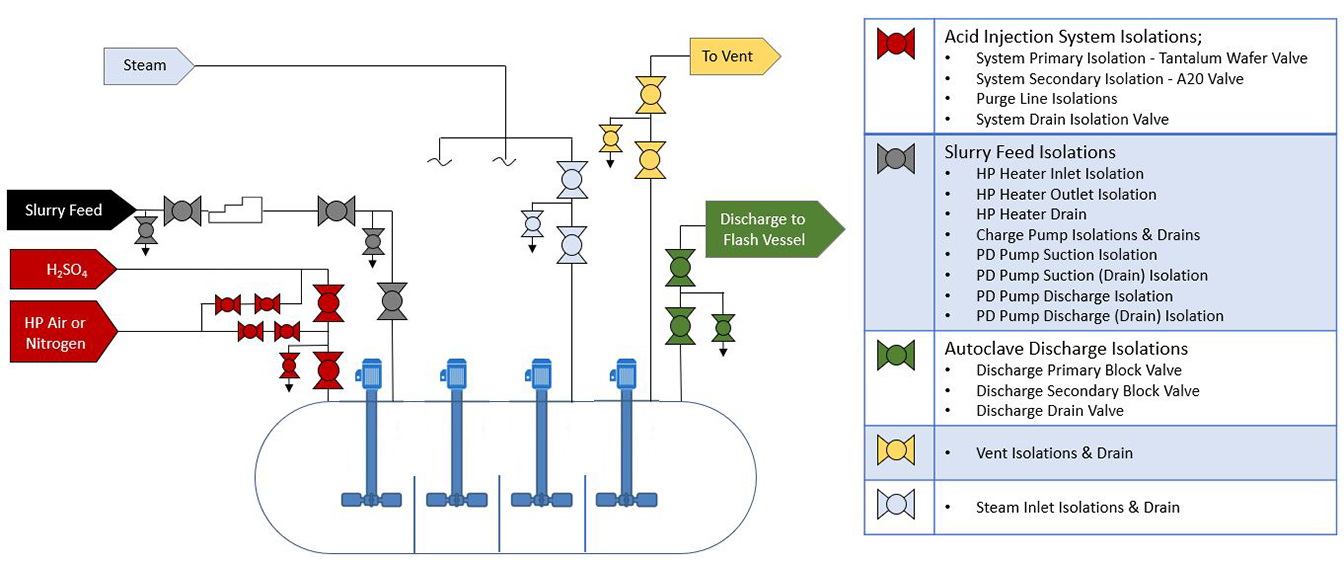
To maintain cost-effective operation of pressure acid leaching, there is the ValvTechnologies’ severe service acid injection ball valve. A unique product, it was created and designed for the isolation and emergency shutdown of high-pressure acid leaching (HPAL) autoclave acid injection systems. This valve uses ceramic seats, coatings, and exotic metals to provide plant safety in the harshest of process conditions. Its operating benefits continue to be demonstrated every day in mining facilities throughout the world.
The acid injection valve product line is used in the mining industry for high-pressure acid leaching HPAL of nickel, using autoclave technology. The acid injection valve product is an invention of ValvTechnologies, in response to a need for a special application valve, as a result of a hazard and operability study which was carried out for the Bulong Nickel Project in 1997.

Technical Data
Sizes
½ to 4"
Pressure Classes

ASME / ANSI Class 600-900

In Compliance
  • Several QA/NDE requirements must be met for the majority of applications per engineering company specifications
  • All forgings for pressure containing parts must examined by ultrasonic testing
  • Pressure testing of the valve body and seat(s) are completed per A-TQP-010
  • Certified fabrication process also meets ASME Section II and PED standards
Shutoff

Safety above all: zero bubbles, zero-leakage under API 6D Appendix C seat testing

  • Seat supported ball valve with an integral downstream seat – extended wear life
  • Traditional failure modes (slurry wear from passing and coating failure) eliminated
  • Rhinoite® weld-applied carbide hard facing leads the industry for wear resistance – extended wear life
  • Integral seat eliminates the traditional gap between the seat ring and the body pocket, which is a leak path
  • Integral seat cannot move and will keep a continuous wiping action to maintain the sealing surfaces clean at all differential pressures
  • The Rhinoite® process includes sealant which aids lapping/sealing and minimizes torque requirement

  • Zero-leakage
  • Certified fabrication process meets ASME Section II and PED standards
  • Severe service rated for high-pressure leaching by acid or oxygen
  • Long-wearing service life from high integrity components in class leading materials
  • Bi-directionally sealing capability
  • Designed for on-site repair and maintenance

Looking for more help with
Acid Injection Valves?

Ask the experts in valves,
ValvTechnologies is ready to help.

  • Seat supported ball valve with an integral downstream seat – extended wear life
  • Traditional failure modes (slurry wear from passing and coating failure) eliminated
  • Rhinoite® weld-applied carbide hard facing leads the industry for wear resistance – extended wear life
  • Integral seat eliminates the traditional gap between the seat ring and the body pocket, which is a leak path
  • Integral seat cannot move and will keep a continuous wiping action to maintain the sealing surfaces clean at all differential pressures
  • The Rhinoite® process includes sealant which aids lapping/sealing and minimizes torque requirement

  • Zero-leakage
  • Certified fabrication process meets ASME Section II and PED standards
  • Severe service rated for high-pressure leaching by acid or oxygen
  • Long-wearing service life from high integrity components in class leading materials
  • Bi-directionally sealing capability
  • Designed for on-site repair and maintenance

RiTech

Valv - RITech

Robotically Integrated Technology for High-Performance Valves

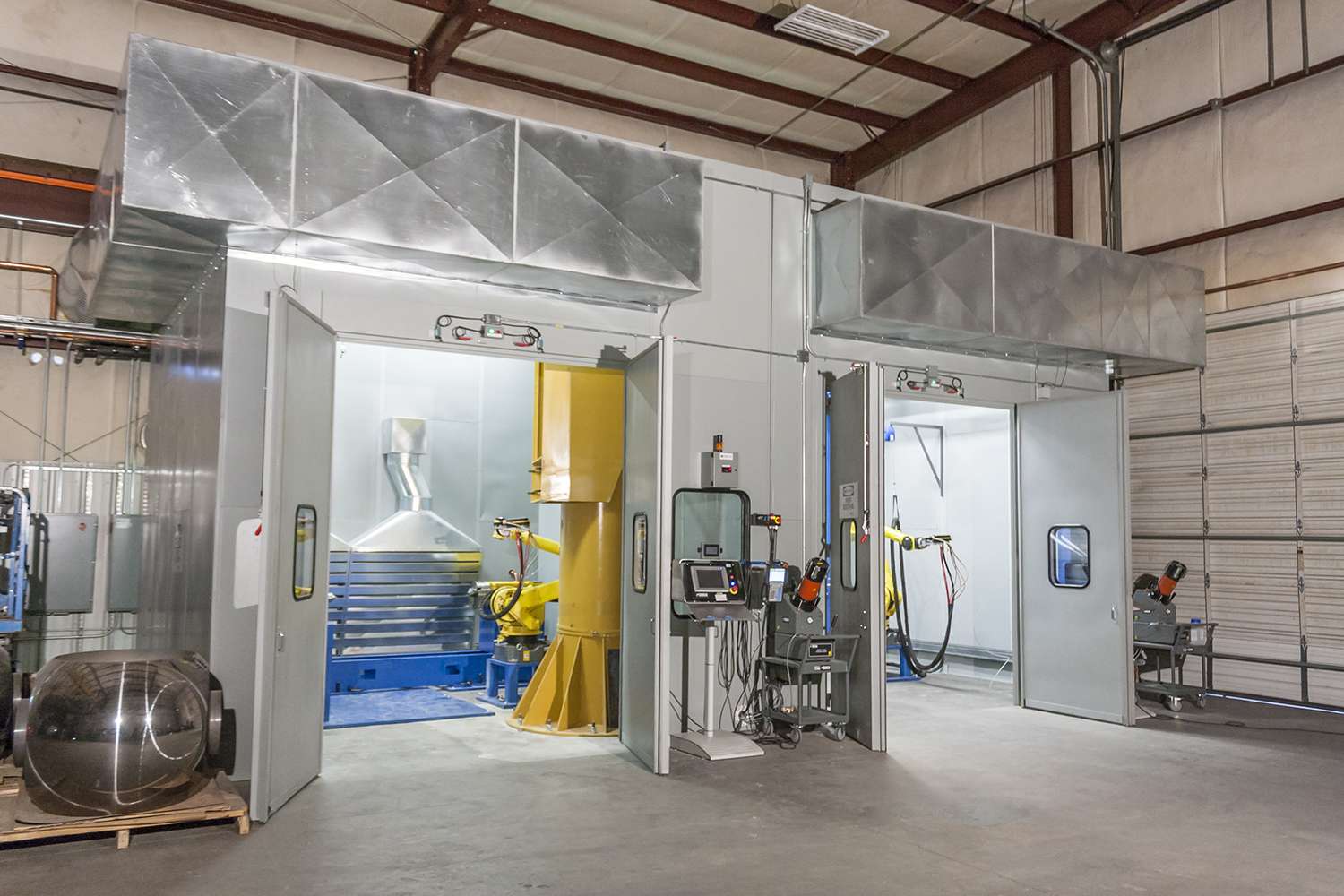
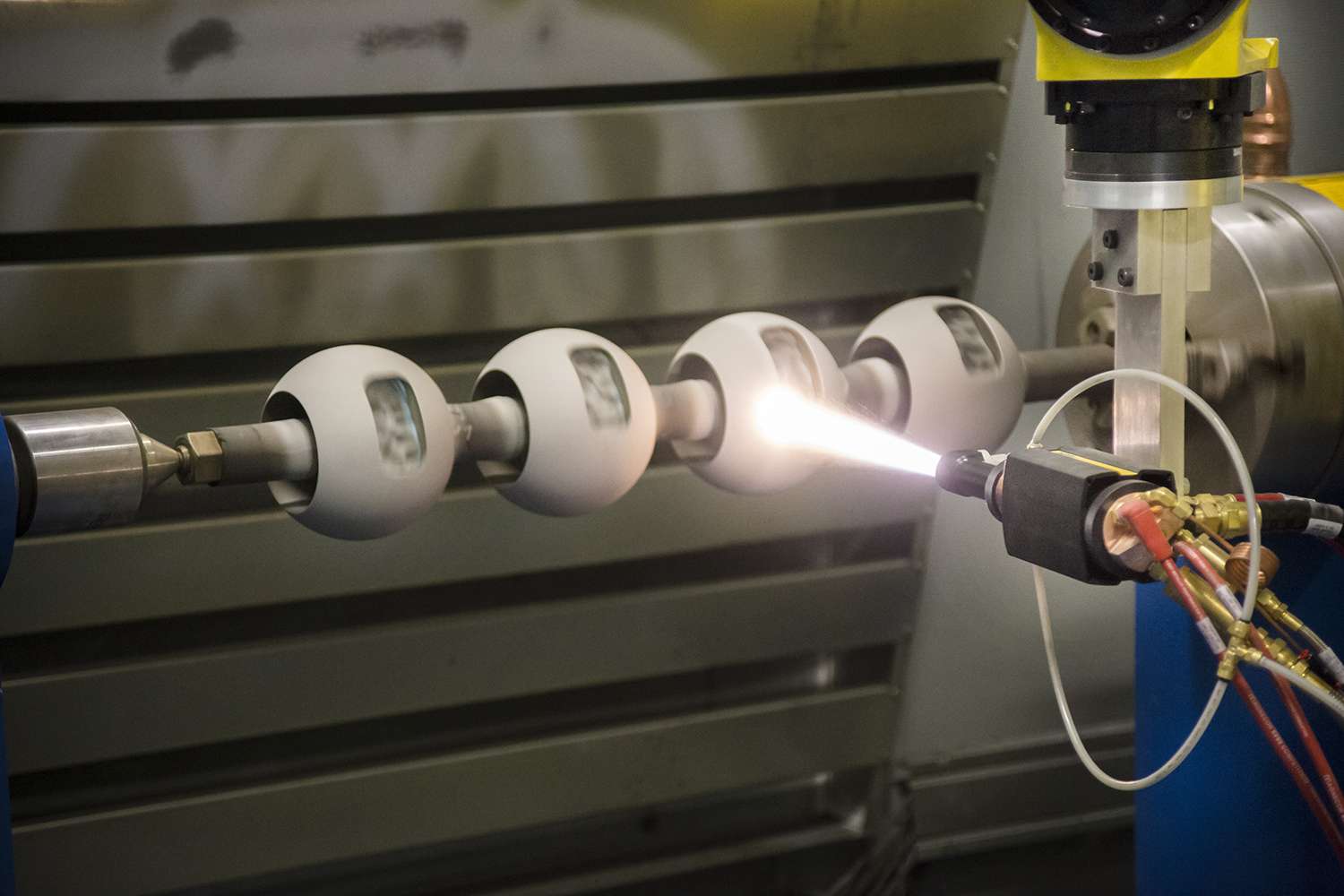
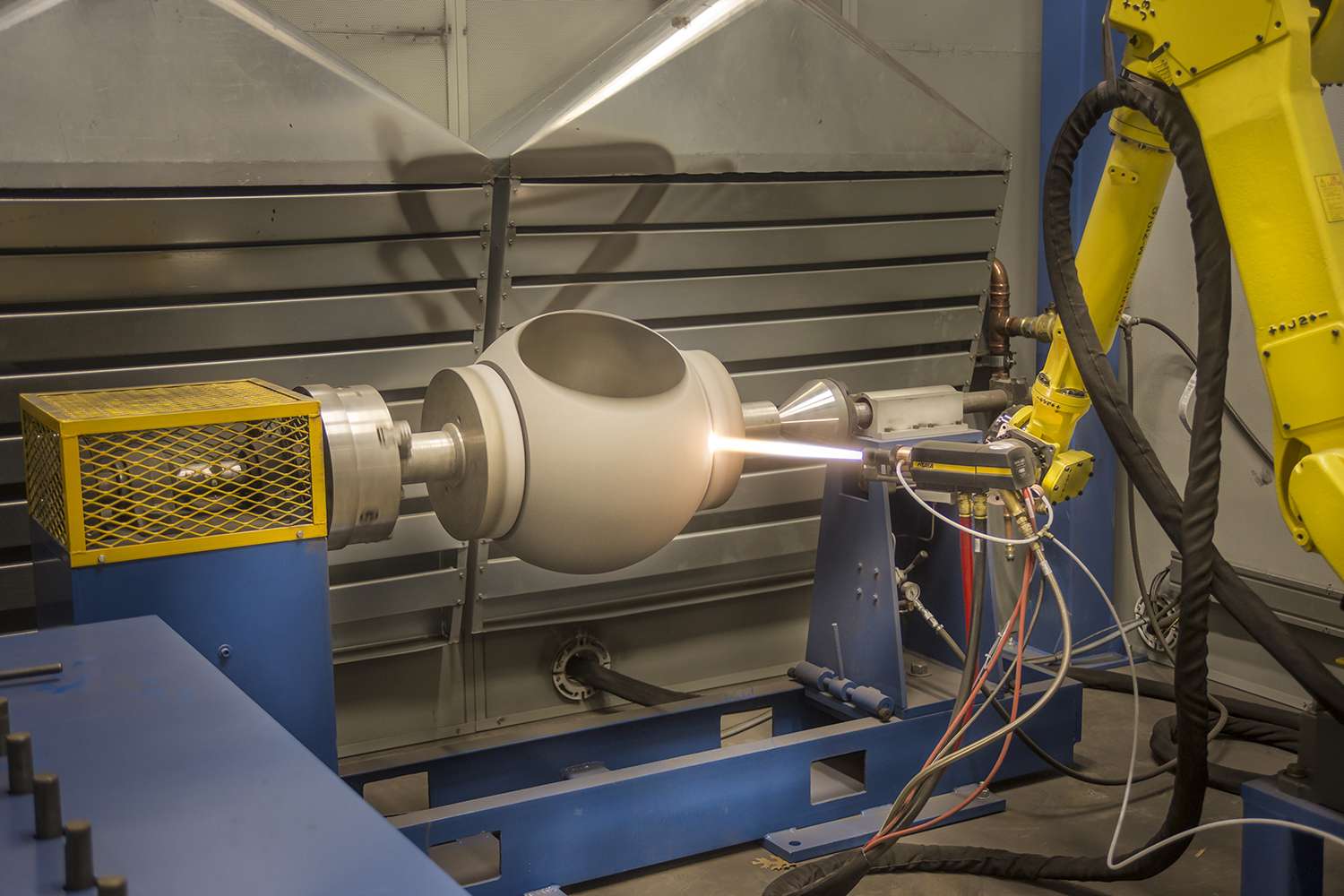
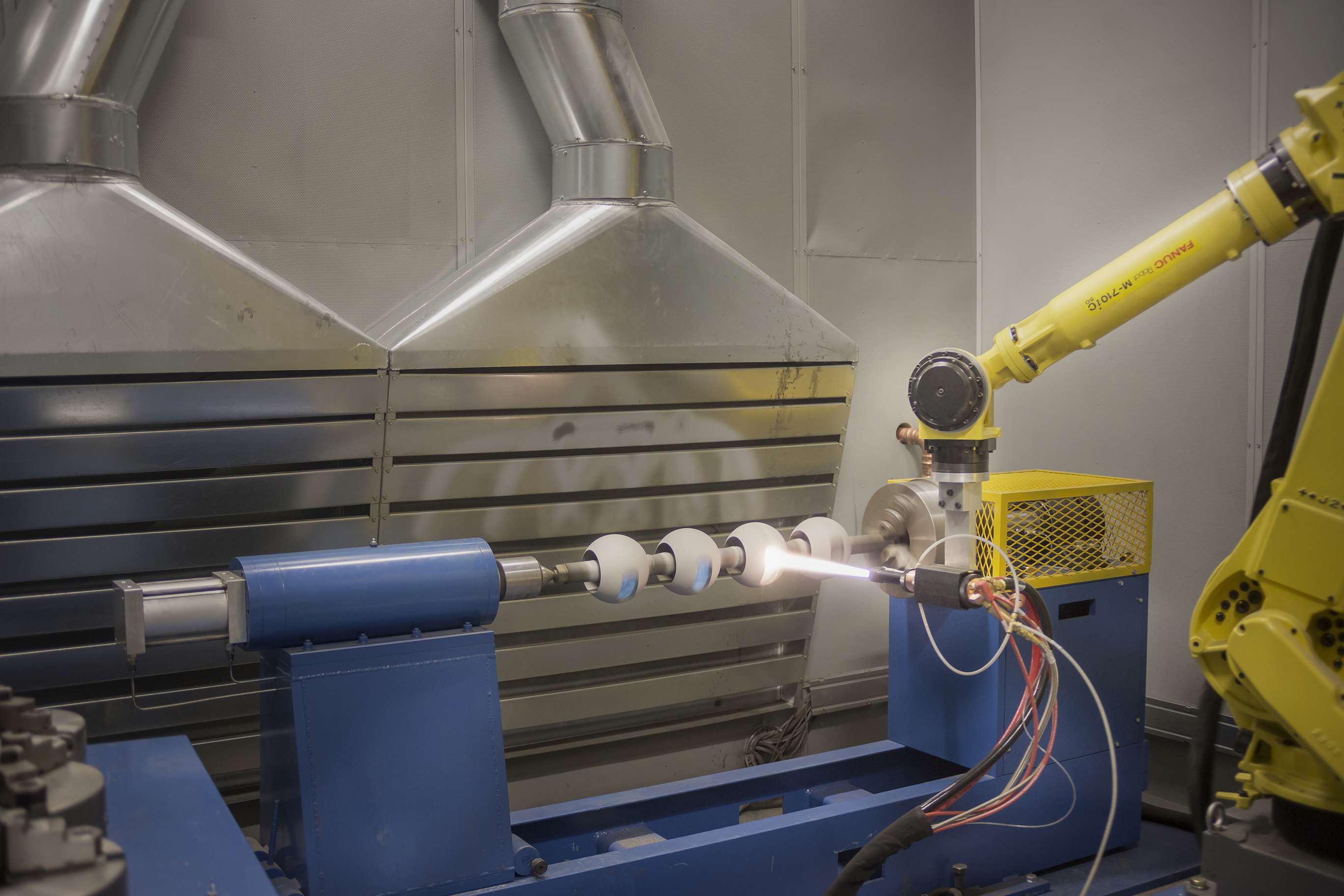
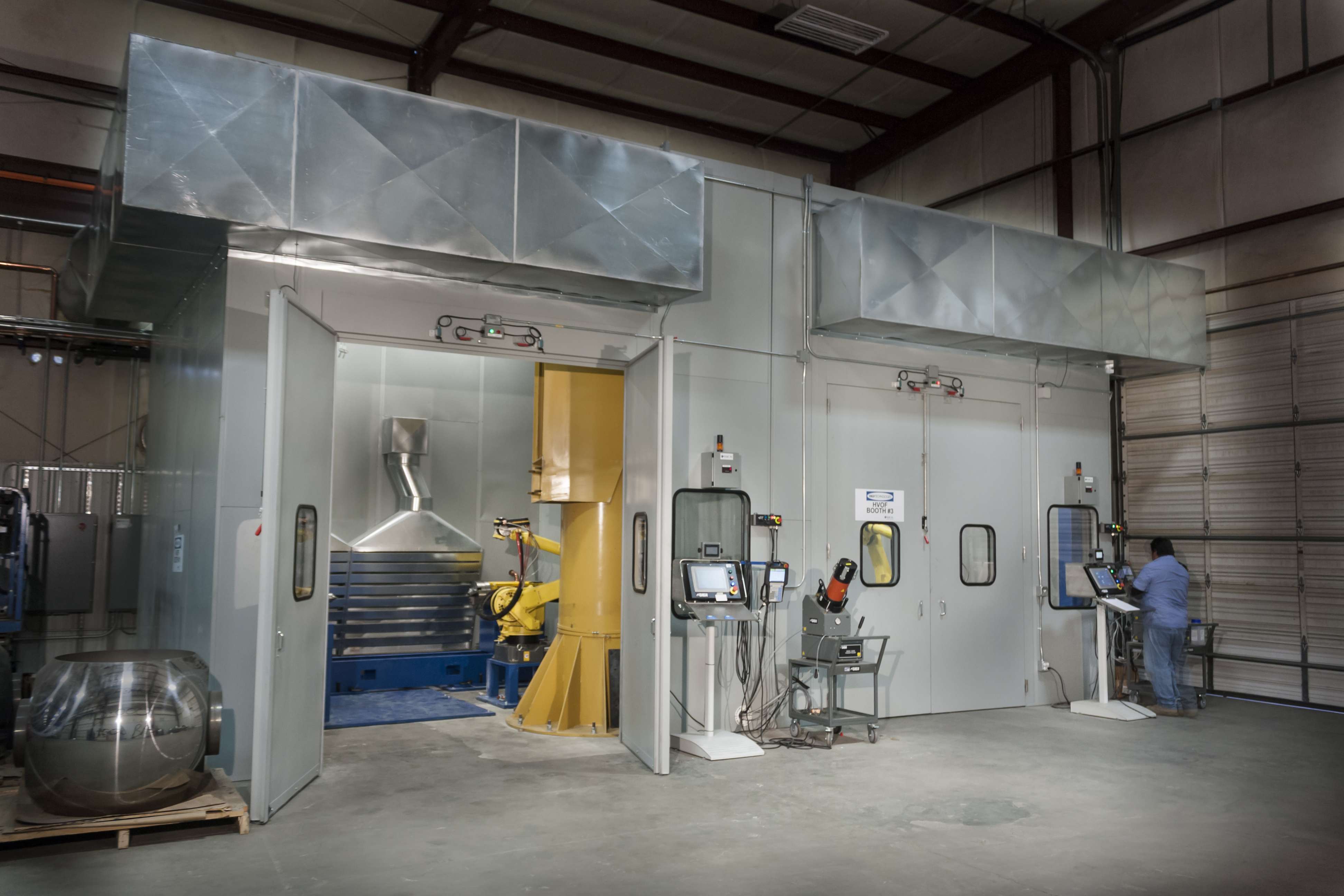
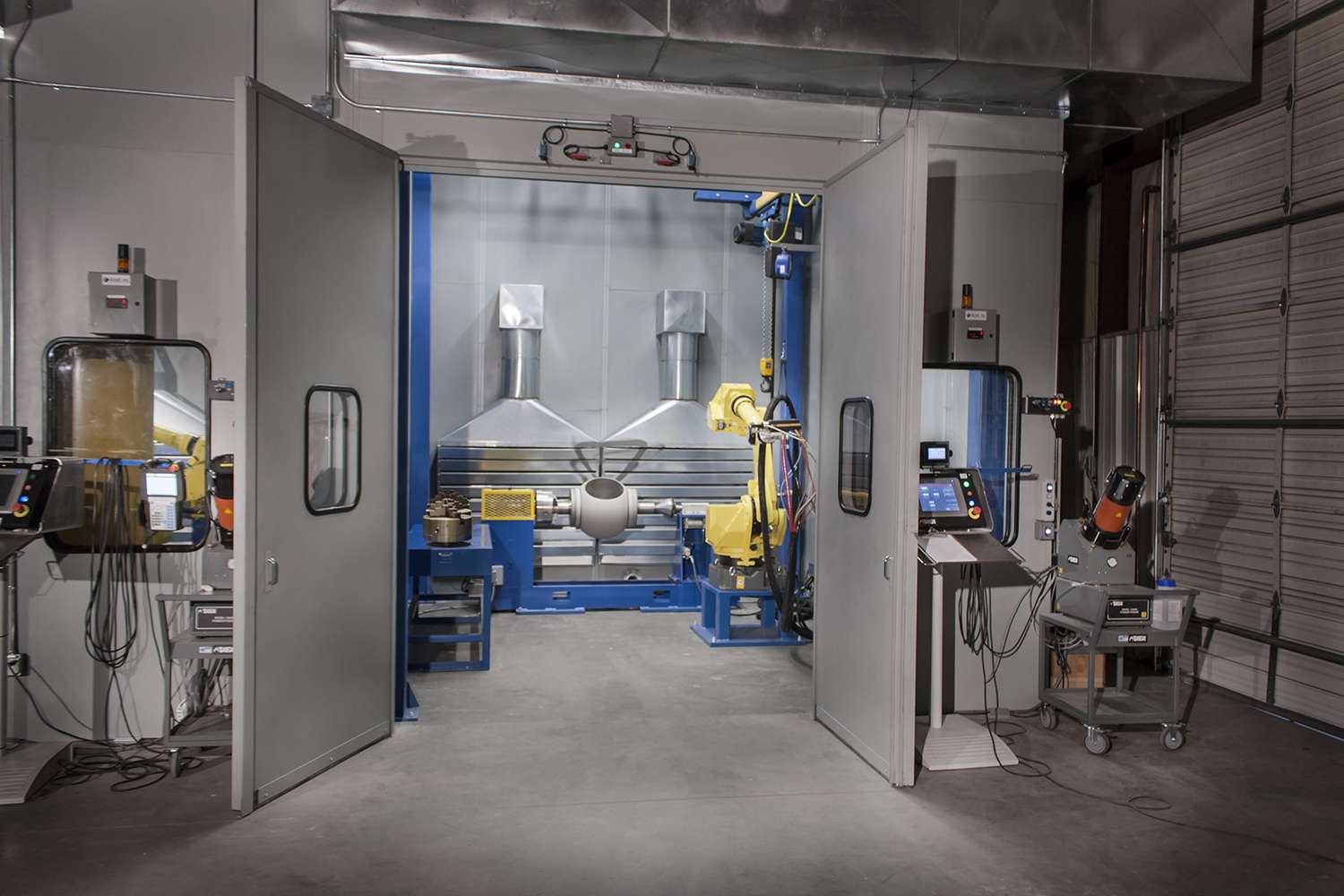
HVOF RiTech® , or Robotically Integrated Technology, is a proprietary compressive spray technique developed by ValvTechnologies to improve product performance. This proprietary process allows for exceptional quality control and higher bond strengths.

ValvTechnologies’ HVOF RiTech® is a high velocity oxygen fuel coating process, with properties of high density and negligible porosity. A hot, high velocity gas jet sprays a coating of molten particles onto the ball and seat surfaces. An oxygen fuel mixture is forced through a spray gun nozzle and ignited. A mixture of powered materials (tungsten, carbide, nickel, chromium, etc.) are also forced through the spray gun nozzle. The ignited gas forms a circular flame surrounding the powder as it flows from the nozzle for uniform heating, melting and acceleration (5000-6000°F at >7000 fps).

  • Improved quality
  • Abrasion/corrosion protection
  • Improved wear resistance
  • Improved performance
  • Ability for components to operate in higher and/or lower temperatures
  • Ability to operate in the most severe service applications
  • Improve efficiency

HVOF RiTech® Selection Chart
Grade designation Composition (% by weight) Hardness HV300 Porosity
(Max Vol %)
Comparative Attributes
RiTech® 21 86 WC, 10 Co/4 Cr 1050 min 1.0 Outstanding for abrasive wear. Superior acidic corrosion resistance.
RiTech® 25 73 WC, 20 Ni/7 Cr 950-1150 1.0 Excellent corrosion & oxidation resistance. Superior wear resistance.
RiTech® 28 88 WC + 12 HAST C 1050 – 1250 1.0 Outstanding corrosion resistance. Excellent sliding wear resistance.
RiTech® 31 75 Cr3C2, 25 Ni-Cr 850 min 1.0 Outstanding corrosion resistance. Excellent sliding wear resistance.

Looking for more help with
RiTech?

Ask the experts in valves,
ValvTechnologies is ready to help.

ValvTechnologies’ HVOF RiTech® is a high velocity oxygen fuel coating process, with properties of high density and negligible porosity. A hot, high velocity gas jet sprays a coating of molten particles onto the ball and seat surfaces. An oxygen fuel mixture is forced through a spray gun nozzle and ignited. A mixture of powered materials (tungsten, carbide, nickel, chromium, etc.) are also forced through the spray gun nozzle. The ignited gas forms a circular flame surrounding the powder as it flows from the nozzle for uniform heating, melting and acceleration (5000-6000°F at >7000 fps).

  • Improved quality
  • Abrasion/corrosion protection
  • Improved wear resistance
  • Improved performance
  • Ability for components to operate in higher and/or lower temperatures
  • Ability to operate in the most severe service applications
  • Improve efficiency

HVOF RiTech® Selection Chart
Grade designation Composition (% by weight) Hardness HV300 Porosity
(Max Vol %)
Comparative Attributes
RiTech® 21 86 WC, 10 Co/4 Cr 1050 min 1.0 Outstanding for abrasive wear. Superior acidic corrosion resistance.
RiTech® 25 73 WC, 20 Ni/7 Cr 950-1150 1.0 Excellent corrosion & oxidation resistance. Superior wear resistance.
RiTech® 28 88 WC + 12 HAST C 1050 – 1250 1.0 Outstanding corrosion resistance. Excellent sliding wear resistance.
RiTech® 31 75 Cr3C2, 25 Ni-Cr 850 min 1.0 Outstanding corrosion resistance. Excellent sliding wear resistance.

product

TrunTech®

Click Image to Enlarge
Technical Data
Sizes
2 - 36"
Pressure Classes

ANSI 150 – 2500, 5K, 10K

In Compliance

API-6D (ISO-14313)
Fire-safe per API-607 (API-6D)
Fire-safe per API-6FA (API-6A)
Tight-shut-off per ISO-5208 Rate A (API-6D)
Tight-shut-off per PSL-3 (API-6A)
ASME B16.34
NACE MR-01-75
ISO-15156

End Connections

ANSI raised-face flange – standard
ANSI ring type joint flange – standard
Other end connections available upon request

Shutoff

Absolute zero-leakage at test. ISO 5208 rate A.

TrunTech® Trunnion Ball Valves

The Next Generation in Trunnion Technology

ValvTechnologies’ TrunTech® is designed to address the severe service demands of the upstream and midstream oil and gas industries. Its protected seat seals design provides long life and tight shut-off in abrasive / erosive conditions and meets stringent fugitive emission requirements.

TrunTech® is designed to API-6D and API-6A, fire-safe per API-607 (API-6D) and API-6FA (API-6A), tight-shut-off per ISO-5208 Rate A (API-6D) and PSL-3 (API-6A).

Technical Data
Sizes
2 - 36"
Pressure Classes

ANSI 150 – 2500, 5K, 10K

In Compliance

API-6D (ISO-14313)
Fire-safe per API-607 (API-6D)
Fire-safe per API-6FA (API-6A)
Tight-shut-off per ISO-5208 Rate A (API-6D)
Tight-shut-off per PSL-3 (API-6A)
ASME B16.34
NACE MR-01-75
ISO-15156

End Connections

ANSI raised-face flange – standard
ANSI ring type joint flange – standard
Other end connections available upon request

Shutoff

Absolute zero-leakage at test. ISO 5208 rate A.

Screen-Shot-2013-07-10-at-1.08.30-PM

  1. Carbide sealing surfaces. The sealing surfaces are overlaid with tungsten or chromium carbide using the ValvTechnologies-exclusive HVOF RiTech® coating process. These surfaces have a hardness of 68 – 72 Rc to allow long periods of operation in the most severe conditions.
  2. High integrity seals. To prevent leaks around the seats, ValvTechnologies has developed an innovative double seal design for erosive services operation in high cycling applications. A secondary graphite seal is installed toward the body cavity.
  3. Solids resistance. In addition to the carbide coatings which will allow the valve to function in highly abrasive applications, the individual valve parts have additional seals to prevent interference from solids in the system. This provides for outstanding service in severe-service isolation applications with high particle content from sand, elemental sulfur, hydrate, perforation shrapnel and pipe corrosion products.

  • Guaranteed tight shut-off. Benefit: Enhanced process safety and repeatable sealing allows operation under process excursions
  • True metal-to-metal sealing without using secondary elastomeric seals. Benefit: Inherent fire safety
  • Solid-proofed by design. Benefit: Process reliability
  • Exclusive HVOF RiTech™ coating technology. Benefit: Extended life
  • Grafoil® fire-safe seals. Benefit: Reduced maintenance costs
  • Double block-and-bleed capability. Benefit: Enhanced process safety
  • High cycling capability. Benefit: Process reliability
  • Bi-directional sealing by design. Benefit: Enhanced process safety, lower maintenance, less downtime
  • Single-piece anti blow-out stem design. Benefit: Enhanced process safety
  • Impervious to high thermal cycling. Benefit: Enhanced process safety
  • Certified to use in SIL 3 loop. Benefit: Enhanced process safety
  • Fire safe certification: API-607 / API 6FA. Benefit: Enhanced process safety
  • Stem fugitive emissions per ISO 15848-1 Class B & TA-Luft. Benefit: Lower emissions, enhanced process safety

Case Study: HIPPS

Background: The customer placed a large order for High Integrity Pressure Production Systems (HIPPS) trunnion valves, which were 8” class 2500. The scope was a total of 20 valves which were needed for the expansion of their gas field. Their excellent experience with ValvTechnologies’ on a previous order influenced them to choose our services again.

Requirement: The traditional method to provide protection against over pressure is a safety relief valve (SRV). Per code, the SRV needs to have a capacity equal to the well capacity without any restriction in the choke. This can become impractically large. Protection with SRV-s numerous drawbacks, which include:

  • Potentially impractical size or number of parallel SRV-s
  • Potential continuous leakage if the set point and operating pressure are close, like in this application where that delta in the pressures is only 50 psi
  • Capital cost of flare, possibly with burner
  • Nuisance to the environment of flare noise and the visual effect of the burner flame
  • Emission of methane and CO2. Both are greenhouse gases

Solution: HIPPS provide the same function as a relief valve, but instead of relieving the high pressure gas to atmosphere the HIPPS shuts in the pressure and contains the high pressure gas upstream of the lower pressure section of the piping.

The pressure transmitters forward the pressure signal to the logic solver. The program logic provides the set point and the voting rule. For example, the system may be based on closing the HIPPS if any two of the three pressure transmitters detect a pressure above the set point.

Upon closing of the HIPPS valves the down stream pressure is likely drop below the pressure safety threshold. Nevertheless, the HIPPS valves do not automatically re-open. Instead, a local, manual reset feature needs to be engaged forcing the operator to do a local, visual inspection and correction of the issue that caused the over pressure before allowing flow to restart. A key feature of HIPPS is the ‘spec break’, the transition from the high pressure piping to the lower pressure system. The spec break is indicated on the P&ID near the second HIPPS-valve.

Most importantly, a HIPPS is tightly regulated system, subject to regulatory oversight and stands alone to protect a piping system against over pressure and consequent potential for catastrophic failure, loss of life, loss of assets and damage to the environment.

  • Purge connection
  • Sealant injection
  • Other options available – contact manufacturer for more information

HIPPS
ESD
Scraper receiver isolation
Molsieve switching
Manual isolation
Injection
Gas storage (withdrawal)
Gas transmission
Other gas treatment processes

Looking for more help with
TrunTech®?

Ask the experts in valves,
ValvTechnologies is ready to help.

Screen-Shot-2013-07-10-at-1.08.30-PM

  1. Carbide sealing surfaces. The sealing surfaces are overlaid with tungsten or chromium carbide using the ValvTechnologies-exclusive HVOF RiTech® coating process. These surfaces have a hardness of 68 – 72 Rc to allow long periods of operation in the most severe conditions.
  2. High integrity seals. To prevent leaks around the seats, ValvTechnologies has developed an innovative double seal design for erosive services operation in high cycling applications. A secondary graphite seal is installed toward the body cavity.
  3. Solids resistance. In addition to the carbide coatings which will allow the valve to function in highly abrasive applications, the individual valve parts have additional seals to prevent interference from solids in the system. This provides for outstanding service in severe-service isolation applications with high particle content from sand, elemental sulfur, hydrate, perforation shrapnel and pipe corrosion products.

  • Guaranteed tight shut-off. Benefit: Enhanced process safety and repeatable sealing allows operation under process excursions
  • True metal-to-metal sealing without using secondary elastomeric seals. Benefit: Inherent fire safety
  • Solid-proofed by design. Benefit: Process reliability
  • Exclusive HVOF RiTech™ coating technology. Benefit: Extended life
  • Grafoil® fire-safe seals. Benefit: Reduced maintenance costs
  • Double block-and-bleed capability. Benefit: Enhanced process safety
  • High cycling capability. Benefit: Process reliability
  • Bi-directional sealing by design. Benefit: Enhanced process safety, lower maintenance, less downtime
  • Single-piece anti blow-out stem design. Benefit: Enhanced process safety
  • Impervious to high thermal cycling. Benefit: Enhanced process safety
  • Certified to use in SIL 3 loop. Benefit: Enhanced process safety
  • Fire safe certification: API-607 / API 6FA. Benefit: Enhanced process safety
  • Stem fugitive emissions per ISO 15848-1 Class B & TA-Luft. Benefit: Lower emissions, enhanced process safety

Case Study: HIPPS

Background: The customer placed a large order for High Integrity Pressure Production Systems (HIPPS) trunnion valves, which were 8” class 2500. The scope was a total of 20 valves which were needed for the expansion of their gas field. Their excellent experience with ValvTechnologies’ on a previous order influenced them to choose our services again.

Requirement: The traditional method to provide protection against over pressure is a safety relief valve (SRV). Per code, the SRV needs to have a capacity equal to the well capacity without any restriction in the choke. This can become impractically large. Protection with SRV-s numerous drawbacks, which include:

  • Potentially impractical size or number of parallel SRV-s
  • Potential continuous leakage if the set point and operating pressure are close, like in this application where that delta in the pressures is only 50 psi
  • Capital cost of flare, possibly with burner
  • Nuisance to the environment of flare noise and the visual effect of the burner flame
  • Emission of methane and CO2. Both are greenhouse gases

Solution: HIPPS provide the same function as a relief valve, but instead of relieving the high pressure gas to atmosphere the HIPPS shuts in the pressure and contains the high pressure gas upstream of the lower pressure section of the piping.

The pressure transmitters forward the pressure signal to the logic solver. The program logic provides the set point and the voting rule. For example, the system may be based on closing the HIPPS if any two of the three pressure transmitters detect a pressure above the set point.

Upon closing of the HIPPS valves the down stream pressure is likely drop below the pressure safety threshold. Nevertheless, the HIPPS valves do not automatically re-open. Instead, a local, manual reset feature needs to be engaged forcing the operator to do a local, visual inspection and correction of the issue that caused the over pressure before allowing flow to restart. A key feature of HIPPS is the ‘spec break’, the transition from the high pressure piping to the lower pressure system. The spec break is indicated on the P&ID near the second HIPPS-valve.

Most importantly, a HIPPS is tightly regulated system, subject to regulatory oversight and stands alone to protect a piping system against over pressure and consequent potential for catastrophic failure, loss of life, loss of assets and damage to the environment.

  • Purge connection
  • Sealant injection
  • Other options available – contact manufacturer for more information

HIPPS
ESD
Scraper receiver isolation
Molsieve switching
Manual isolation
Injection
Gas storage (withdrawal)
Gas transmission
Other gas treatment processes